

10 min read
8 AI Product Video Ad Formats That Sell
Turn one product photo into 8 scroll-stopping video ads for TikTok, Reels & Shorts. Test multiple angles in hours, not weeks. 95% cheaper than hiring creators.
Turn one product photo into 8 scroll-stopping video ads for TikTok, Reels & Shorts. Test multiple angles in hours, not weeks. 95% cheaper than hiring creators.
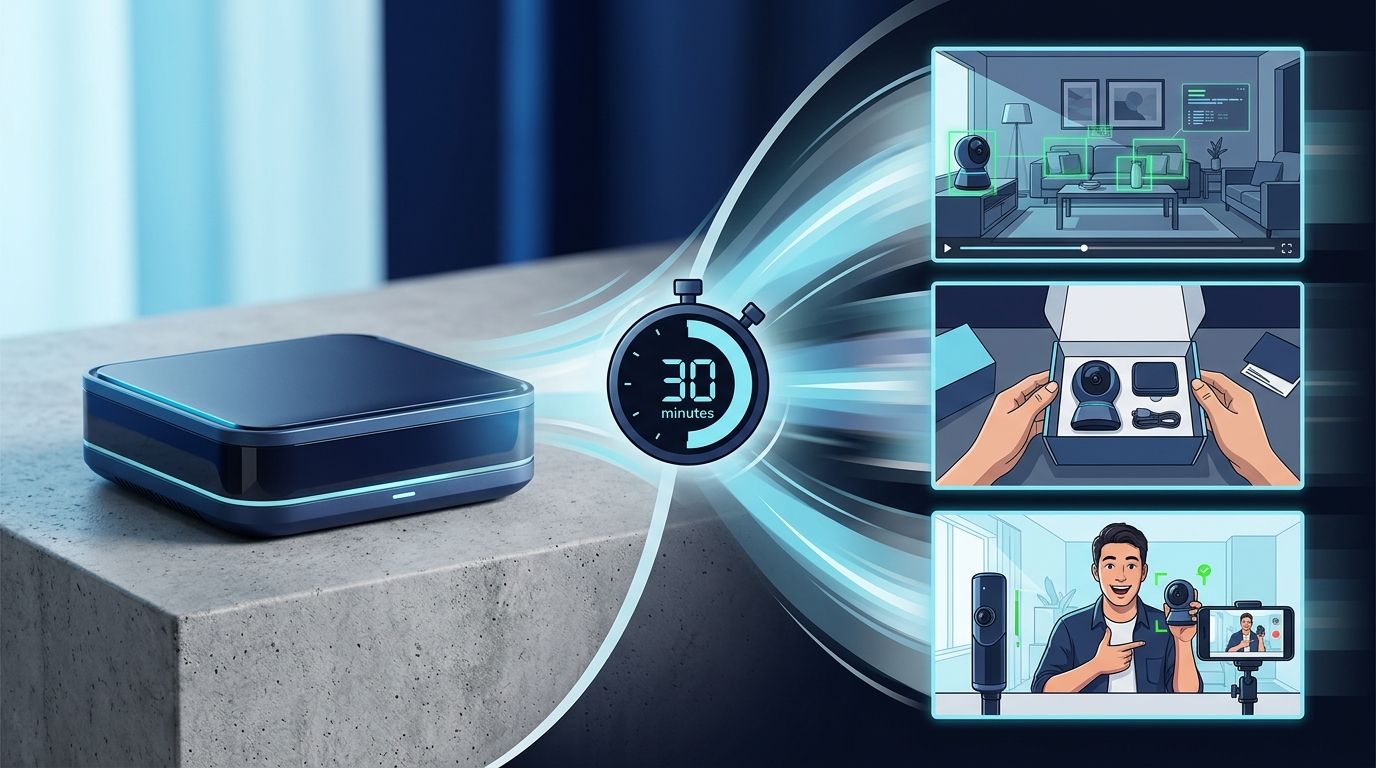
AI video generation tools like Seenable can transform a single product photo into eight different video ad formats—demo, unboxing, UGC review, and more—in minutes instead of days. This approach costs 95% less than traditional product video production and delivers comparable engagement rates to human-created content, making it ideal for e-commerce brands testing multiple ad angles affordably.
Your product is ready. Your photos are perfect. But your video ads are stuck.
You either hire a creator for $500 per video (wait two weeks, hope they nail it), or you spend $5,000–12,000 on a professional shoot and pray the footage converts. Then you repeat for every product. Every angle. Every audience test.
Meanwhile, your competitor just tested six different video angles in an afternoon for under $100.
That gap is closing fast. AI-generated product videos now achieve 62% view-through rates compared to 47% for traditional video ads—that's parity with professionally produced content. And the cost difference isn't even close.
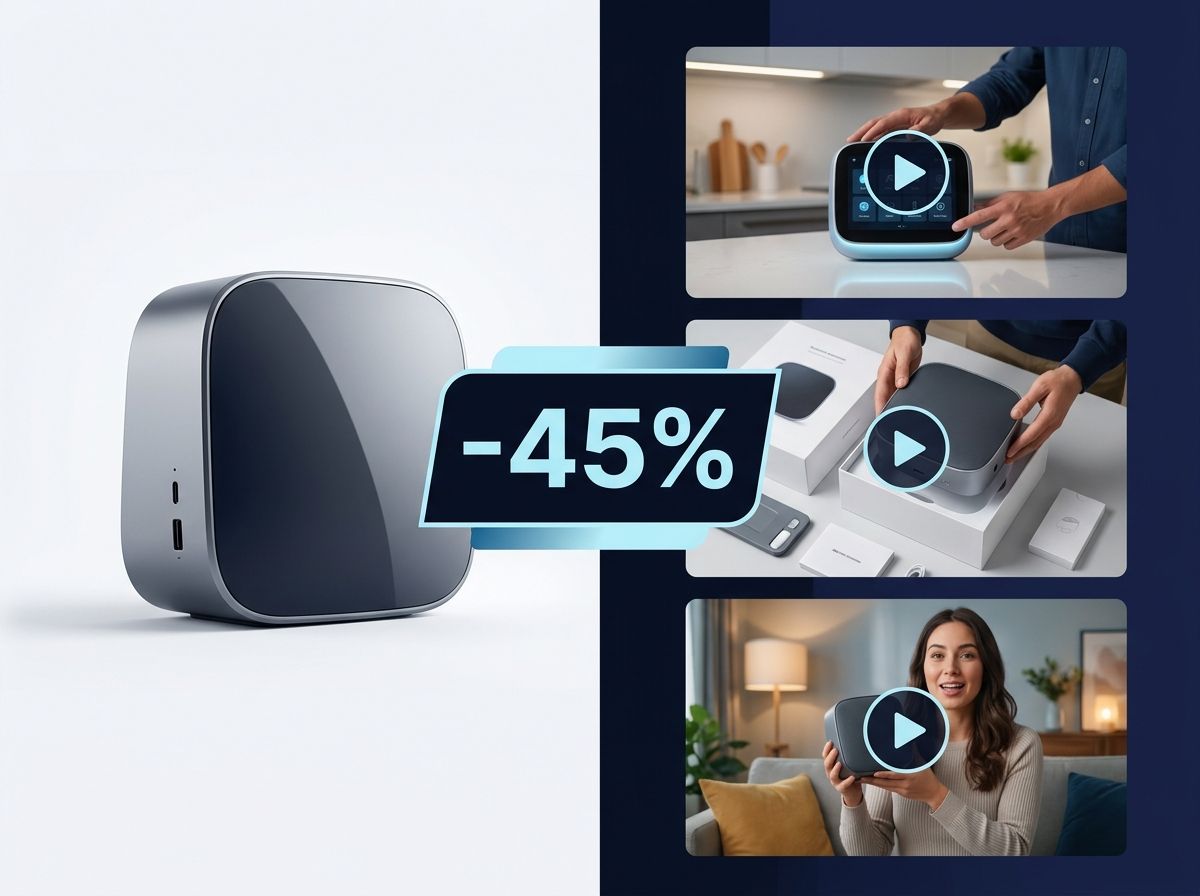
Short-form video has stopped being optional. It's the baseline.
In 2025, short-form video ranked as the top-performing content format for ROI among marketers. TikTok users engage with videos under 60 seconds daily at a rate of 81%, and TikTok ads themselves achieve a 6.1% engagement rate—nearly triple Twitter's 2.2%. That's not marginal difference. That's the algorithm telling you where conversions live.
But here's the harder truth: static product photos are already losing. Video ads outperform static images by 18–25% on conversion rates alone. Add vertical format (59% of all AI video now ships vertical, up from 31% in 2024), and you're looking at a platform entirely built for short, motion-based storytelling.
The brands winning right now aren't just running video ads. They're running eight different video angles of the same product and watching which one clicks.
One photo. Eight selling stories. Test all of them in an afternoon.
Upload one image and get studio-quality product photos, on-model shots, and ad creatives — no camera, no studio, no wait.
Try Seenable AI freeNo credit card required · 130 free credits included
 Before
 After
After Before
 After
After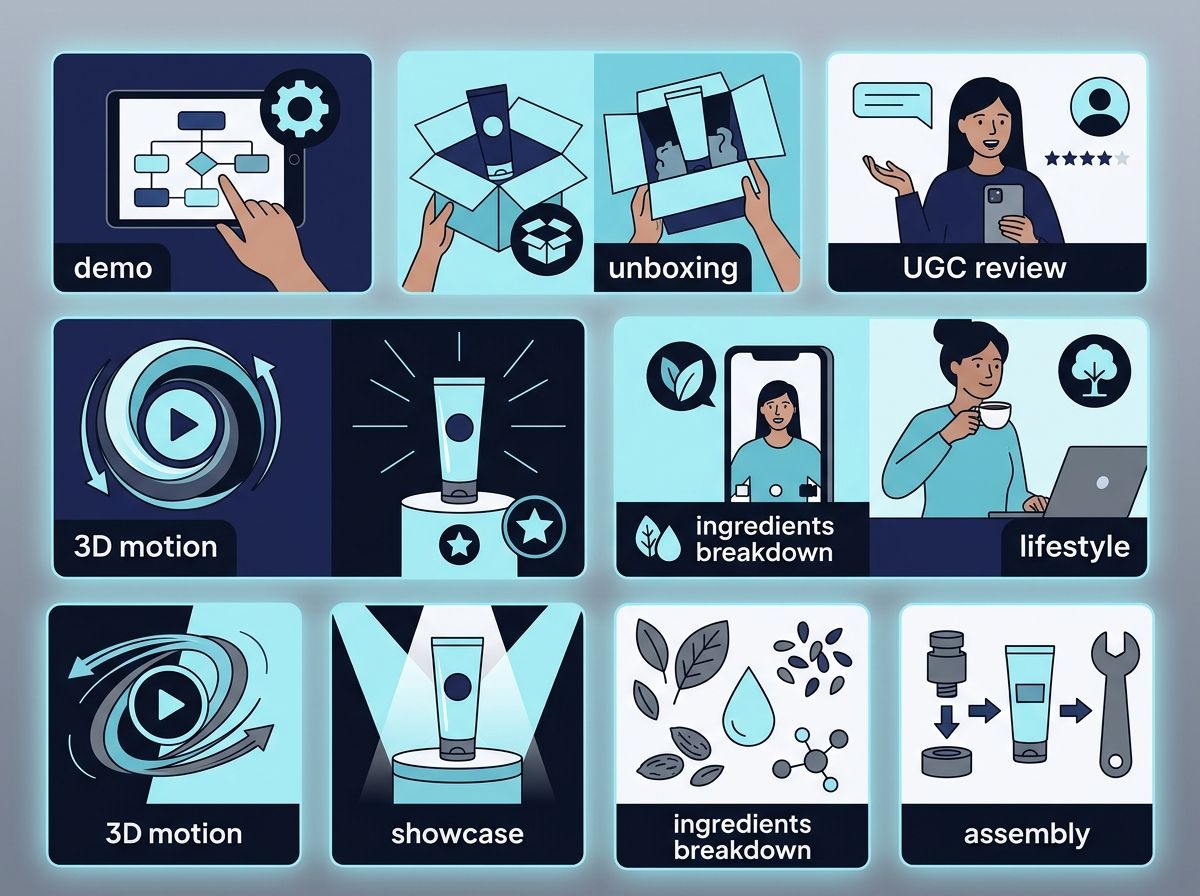
Not all video ads are created equal. A demo video answers a specific question: "Does it work?" An unboxing video answers a different one: "Is this premium?" A UGC review answers "Do real people actually like this?"
Seenable's Video Ad tool generates eight formats, each built for a different buyer objection:
Product demo (31% of AI video output) shows the product in action. This works because it removes doubt. No emotion required, no script needed—just the product doing its job.
Unboxing (28%) builds perception of premium quality. Unboxing videos tap into a primal satisfaction response and signal that the product feels worth the price before the buyer even touches it.
UGC review positions the product as trusted by real people. UGC video ads deliver 4x higher click-through rates and 50% lower cost-per-click compared to traditional ads. Meta reports 19% lower CPA and 13% higher CTR for creator-content campaigns specifically because audiences trust peer voices more than brand voices.
Lifestyle placement shows the product in real-world context—on a desk, in a kitchen, on a body. This removes the final objection: "Will I actually use this?"
The remaining four formats (showcase, 3D motion, ingredients/assembly breakdown, and transformation) solve for specific product categories. A supplement brand wants ingredients. An apparel brand wants color variants shown via 3D render. A beauty brand wants a quick before-and-after.
The math is simple: one product, eight format options, each targeting a different question a buyer has before converting.
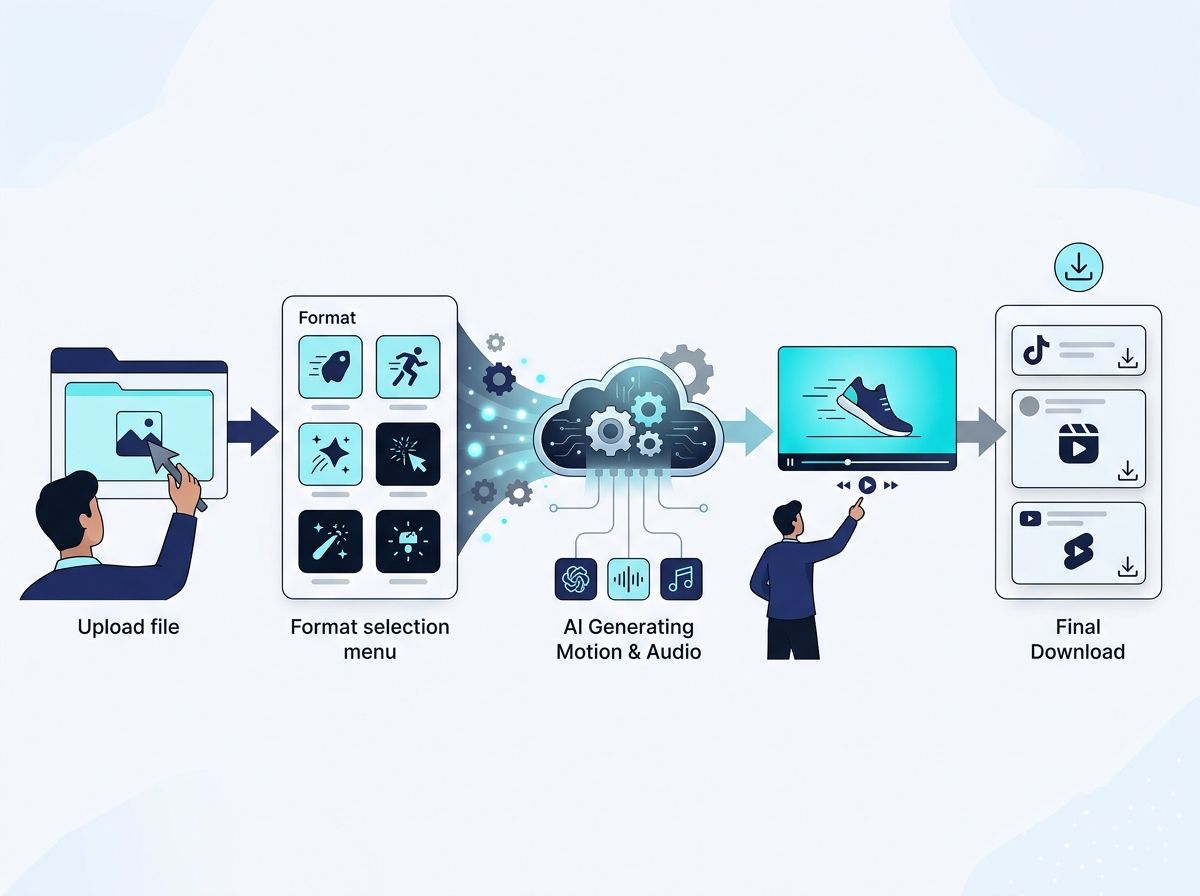
The workflow is intentionally simple because complexity kills adoption.
You upload a product photo. The tool analyzes the product, packaging, lighting, and color. You pick a format—say, demo. You pick a presenter (face consistency matters for brand recall). You hit generate.
Thirty minutes later, you have a finished video ad with dialogue, sound design, music, and motion—synchronized, ready to export, platform-native in 9:16 vertical format.
No scripting. No prompting. No "imagine a blue background." The AI already knows what sells because it's built on eight formats proven to move products at scale.
48% of performance marketers used AI text-to-video tools for quick ad variations in 2025. But most of those tools require creative direction—you have to write prompts, imagine the shot, direct the talent. Seenable skips that entire step. Format selection is your creative direction.
Pick a format. The tool does the rest.
And because it costs a third of the price to render in draft mode, you can check timing, pacing, and audio sync before committing full credits. This removes the biggest friction point in AI workflows: wasting resources on iterations that never ship.
So what does this unlock? A brand with 50 products can test 3 formats per SKU (150 videos total) for around $600–900 in credits. In one day. The same scope with a human creator? $9,000–15,000 over 2–4 weeks, with no guarantee any single video will perform.
Upload one image and get studio-quality product photos, on-model shots, and ad creatives — no camera, no studio, no wait.
Try Seenable AI freeNo credit card required · 130 free credits included
 Before
 After
After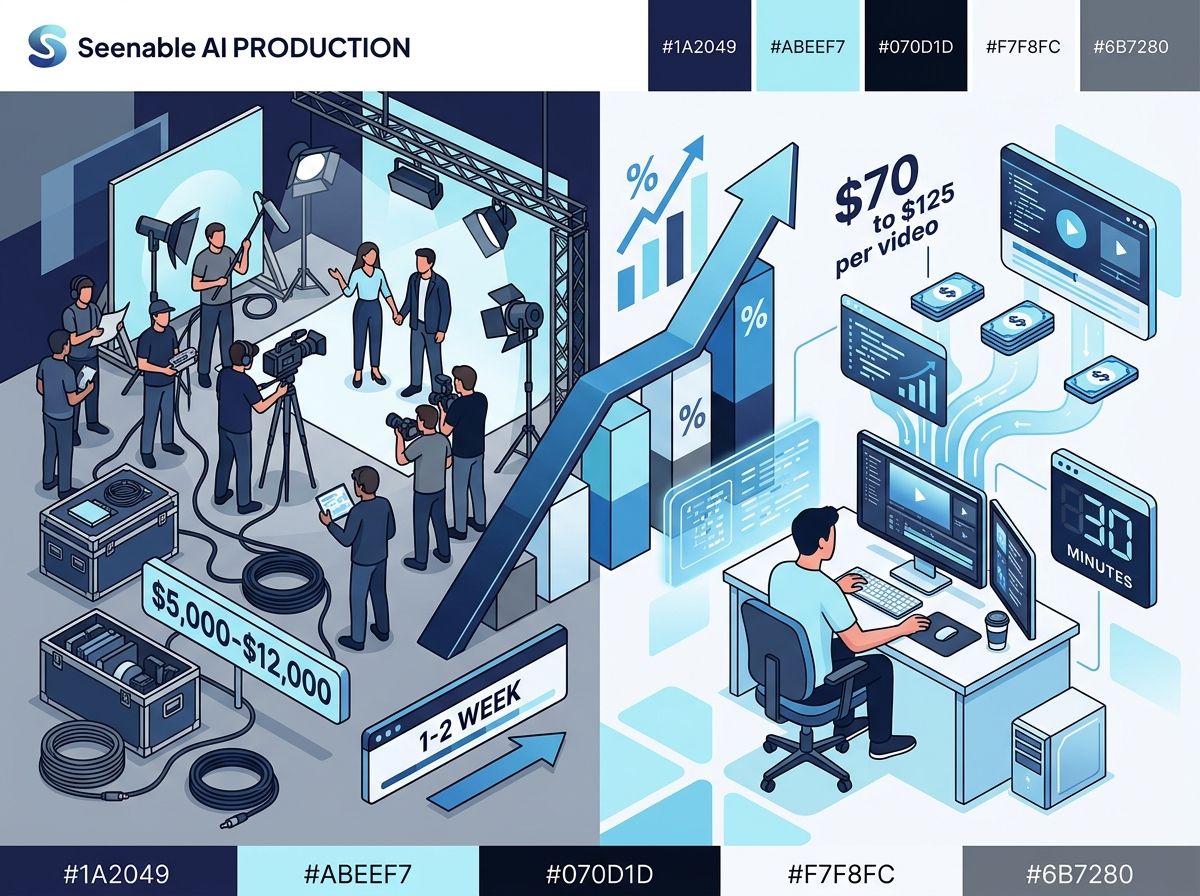
Let's be specific about the financial gap, because it matters.
Hiring a professional creator for a single product video runs $150–500 per video, plus 3–7 days of turnaround. If you want variations (demo, unboxing, lifestyle angles of the same product), you're looking at $600–2,000 per product and 2–3 weeks of calendar time.
Seenable's Product Video Ad tool generates a finished video in 30 minutes at $70–125 per video in final-render credits. Draft mode costs a third of that.
So if you're a brand launching 20 products and want to test 3 formats per SKU before scaling spend—that's 60 videos. With human creators, you're spending $9,000–30,000 and waiting a month. With Seenable, you're spending $300–600 and shipping tomorrow.
The adoption curve validates this. 51% of video marketers used AI tools for video creation or editing in 2025, up from 34% in 2024. That's 89% year-over-year growth. Performance marketers aren't switching to AI for passion—they're switching because the math works.
But cost savings only matter if performance holds. And here's where it gets interesting: 66% of video marketers report product videos deliver stronger ROI than any other video type. Short-form product ads show 18–25% conversion rate improvement versus static images. AI-generated product demos achieve 62% view-through rates compared to 47% for traditional video ads.
You're not sacrificing performance to save money. You're doing both.
The question isn't whether AI video works. It's whether you can afford not to use it.
Speed and scale matter only if you're running them right.
Start with demo or unboxing. These formats lead because they answer fundamental buyer questions without requiring emotional storytelling or famous faces. A demo answers "Does it work?" An unboxing answers "Is it premium?" Both are format-agnostic—they work whether the product is a smartwatch or a coffee maker.
Optimize for 15–30 seconds. 15-second vertical ads achieve 72% completion rates versus 48% for 30-second spots. Platforms prioritize completion, so length is a performance signal. Keep it tight.
Test at least 3–5 hooks before scaling. Different opening frames, different presenter energy, different product angles. A/B test for 48–72 hours, identify the winner, then scale spend. AI tools make this affordable enough that skipping this step is actually wasteful—you're leaving conversion rate improvement on the table.
Repurpose across platforms with vertical framing. The same 9:16 video works on TikTok, Instagram Reels, YouTube Shorts, and product pages. Repurposing vertical content across platforms increases reach by 46% with minimal adjustment. Platform-specific hooks (different audio, different on-screen text) can refine performance per algorithm, but the core asset ships everywhere.
Keep the presenter consistent. If you pick a face, keep it across every video you generate. Consistency builds brand recall and trust. You're not hiring a famous creator—you're building visual brand language.
The workflow looks like this: generate 3–5 format variations of one product. Test hooks and pacing for two days. Identify the winner. Scale spend while maintaining visual consistency. Then move to the next product with institutional knowledge from what just worked.
This is now the baseline for performance marketing. Brands that skip it are burning money on suboptimal creative.
Upload one image and get studio-quality product photos, on-model shots, and ad creatives — no camera, no studio, no wait.
Try Seenable AI freeNo credit card required · 130 free credits included
 Before
 After
AfterAI-generated product videos cost $70–125 per video in 30 minutes using Seenable's final-render credits, or about a third of that in draft mode. Professional creators charge $150–500+ per video over 3–7 days. Testing 60 video variations (10 products × 3 formats) costs $300–600 with AI versus $9,000–15,000 with human creators. That's a 95% cost reduction while maintaining comparable engagement rates.
AI-generated product demos achieve 62% view-through rates compared to 47% for traditional video ads, indicating that viewer engagement is now comparable. The key is keeping product details exact—your logo, packaging, and label never get redrawn or invented by the AI. Seenable preserves these details so the final video feels authentic. Transparency about AI origins actually builds trust with audiences; most viewers now expect and accept AI-generated video ads.
15–30 second vertical videos optimize for TikTok, Instagram Reels, and YouTube Shorts algorithms, with 15-second spots achieving 72% completion rates versus 48% for 30-second ads. Product demo and unboxing formats lead conversions because they directly address buyer objections without requiring emotional storytelling or named personalities. Start with these two before testing lifestyle or transformation angles.
Yes. Repurposing vertical-format videos across platforms increases reach by 46% with minimal adjustment. Seenable outputs in native 9:16 vertical format optimized for all three platforms. Exporting platform-specific variations (different hooks, different sound design) refines performance per algorithm preference, but the core asset travels everywhere.
Create at least 3–5 different formats (demo, unboxing, UGC review, lifestyle) for each product and test for 48–72 hours before scaling spend. AI tools enable affordable testing of 30–50 hook variations per format, making rapid iteration accessible—something impossible at traditional production costs. More iterations mean faster convergence on winners.
AI video generation wins for rapid testing and volume (low cost, fast turnaround). Real UGC wins for trust and emotional resonance with specific audience segments. Best practice: test multiple angles with AI first ($300–600 for 10 product variations × 3 formats), identify winning format and hook, then scale with real creators ($150–500 per finalized video) to compound trust and performance. Use AI as your testing engine; use human creators to amplify your winners.
Generate your first product video free—no credit card required. Upload a product photo, pick a format, and see what eight different selling angles look like in the next 30 minutes. The platform exports ready-to-run video ads for TikTok, Reels, YouTube Shorts, and your product pages. Start testing today.
Generate your first product video free—no credit card required
Try Seenable AI free
 After
After
 After
After