

7 min read
Launch 40 SKUs in 4 Days—No Studio Needed
DTC founder scaled product launches 3x faster using AI instead of studio photography. See how he cut costs from $4,800 to $120.
DTC founder scaled product launches 3x faster using AI instead of studio photography. See how he cut costs from $4,800 to $120.
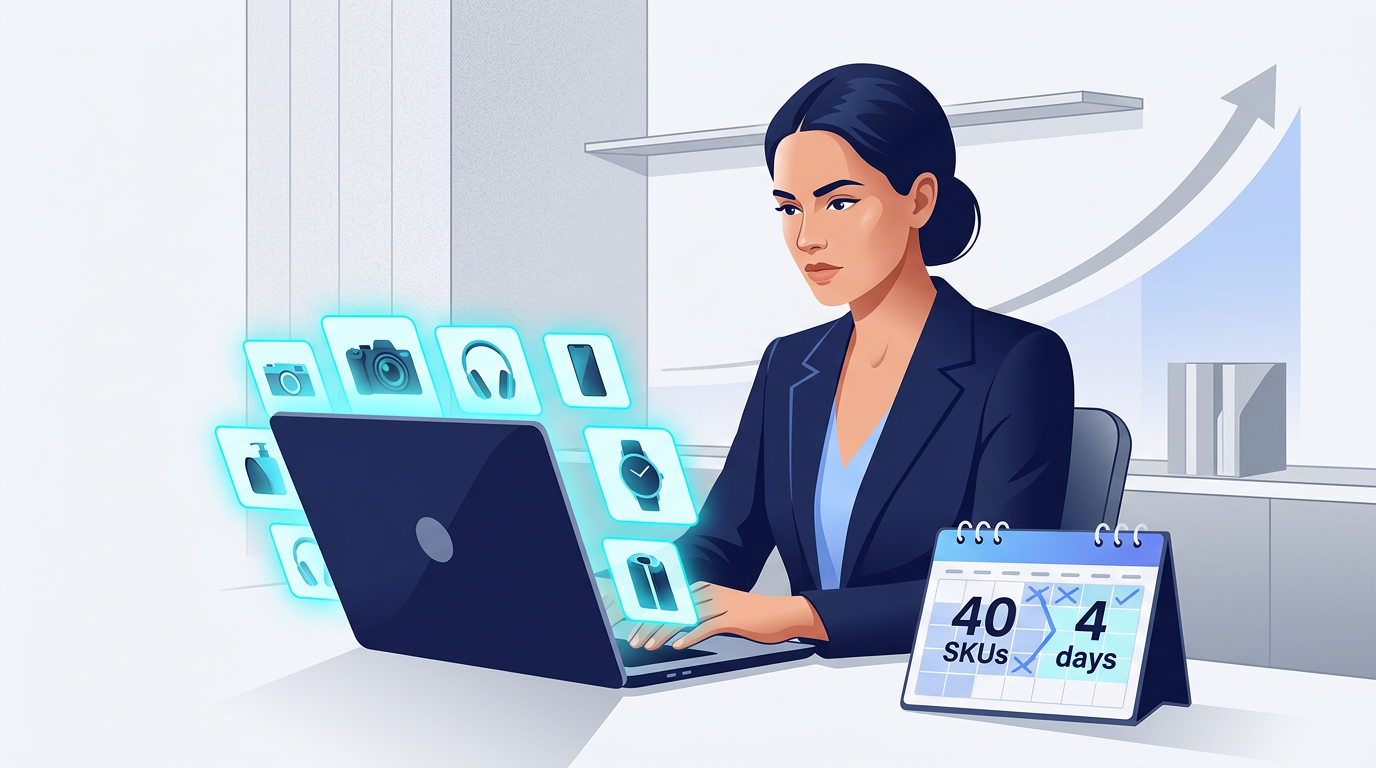
Most bootstrapped DTC founders hit the same wall around year two: the initial product line is validated, demand is real, and now it's time to scale the catalog. But scaling a catalog means more product shoots. More product shoots means photographers, studio rentals, retouching queues, and multi-week turnarounds that feel like an eternity in ecommerce time.
Let's walk through the actual math — no hype, no invented success stories. Just the cost structure of traditional product photography versus AI-generated product shots, so you can decide for yourself whether the trade-off makes sense for your store.
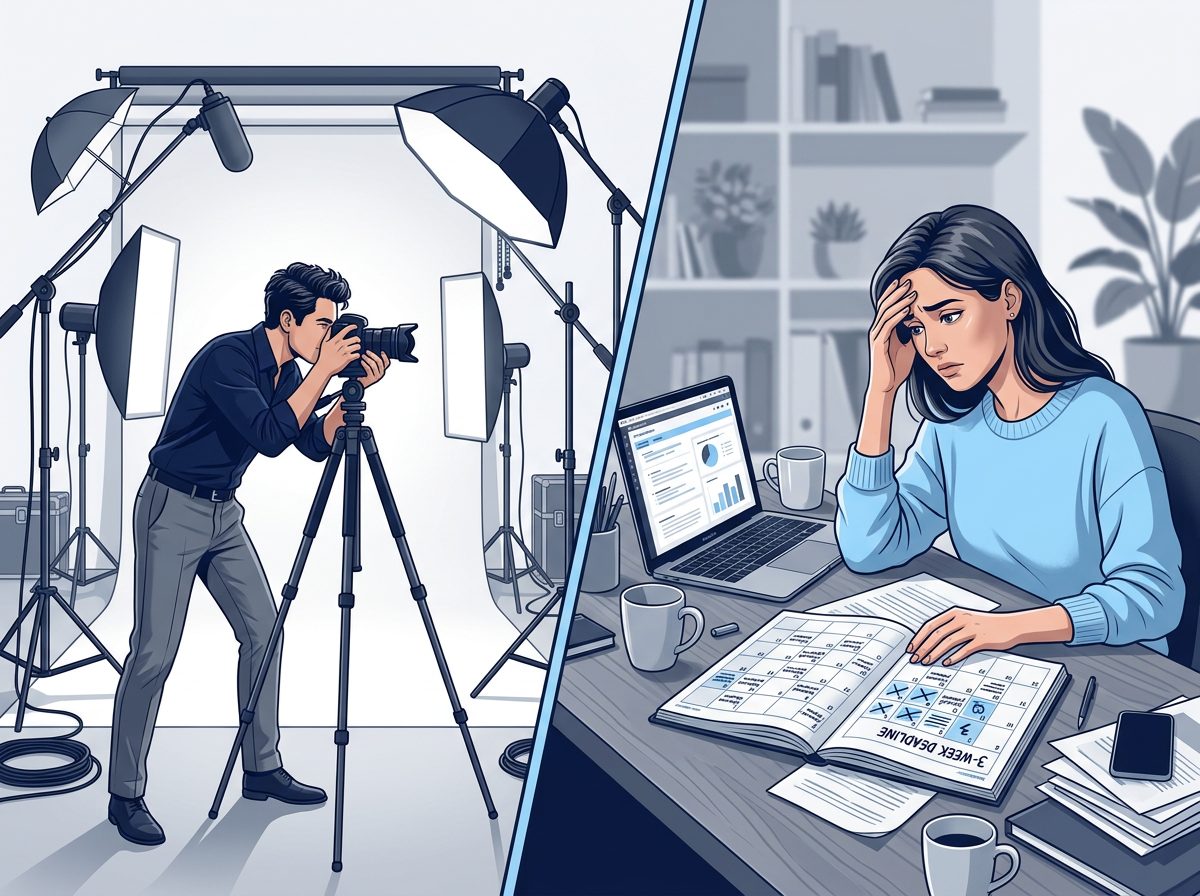
Studio product photography has a brutal cost structure for bootstrapped founders. A professional product shoot — one product, multiple angles — typically runs $200 to $500 depending on your market and the photographer's skill level. In South Asian markets, rates are lower in absolute terms, but so are your margins, so the pain is proportionally the same.
Run the math on a modest 12-SKU launch at $400 per product: $4,800. Add retouching and revisions and you're closer to $5,200. For a founder running on tight margins, that's runway.
Now scale that to 40 SKUs with multiple angles per product — which is what modern ecommerce listings demand — and the math breaks entirely. You're looking at $16,000+ in production spend just to get catalog images live. That money doesn't go toward inventory, paid ads, or hiring. It sits in a studio bill.
The cost is bad. The time cost is worse.
A traditional product shoot follows a predictable rhythm:
Total: 10–15 working days. Two to three weeks if anything goes wrong.
While you wait, everything else stalls. You can't test product positioning. You can't iterate on listings. You can't launch ads. Your timeline is owned by someone else's calendar.
Here's the thing nobody talks about: photographers are human. Lighting shifts between morning and afternoon. Angles drift slightly between product five and product twenty. Color temperature changes when studio lights get adjusted after lunch.
For a single-session shoot, this is manageable. But most sellers don't shoot their whole catalog at once — they add products over time, across different shoots, sometimes different photographers. Each new batch looks visually orphaned from the last. The product grid on your store ends up reading as a patchwork of sessions rather than one coherent brand.
Customers notice. Inconsistency reads as unprofessionalism, and it erodes trust at exactly the moment someone is deciding whether to pull out their card.
Upload one image and get studio-quality product photos, on-model shots, and ad creatives — no camera, no studio, no wait.
Try Seenable AI freeNo credit card required · 130 free credits included
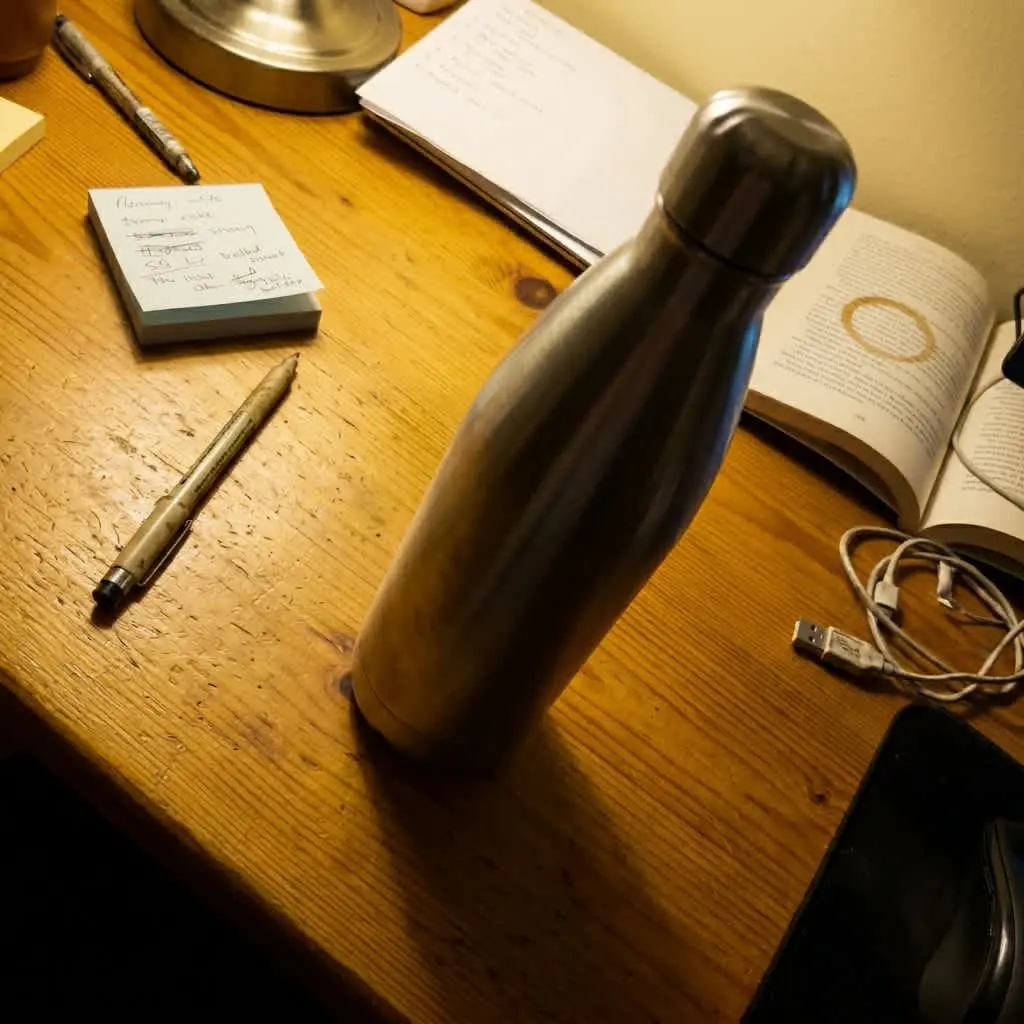 Before
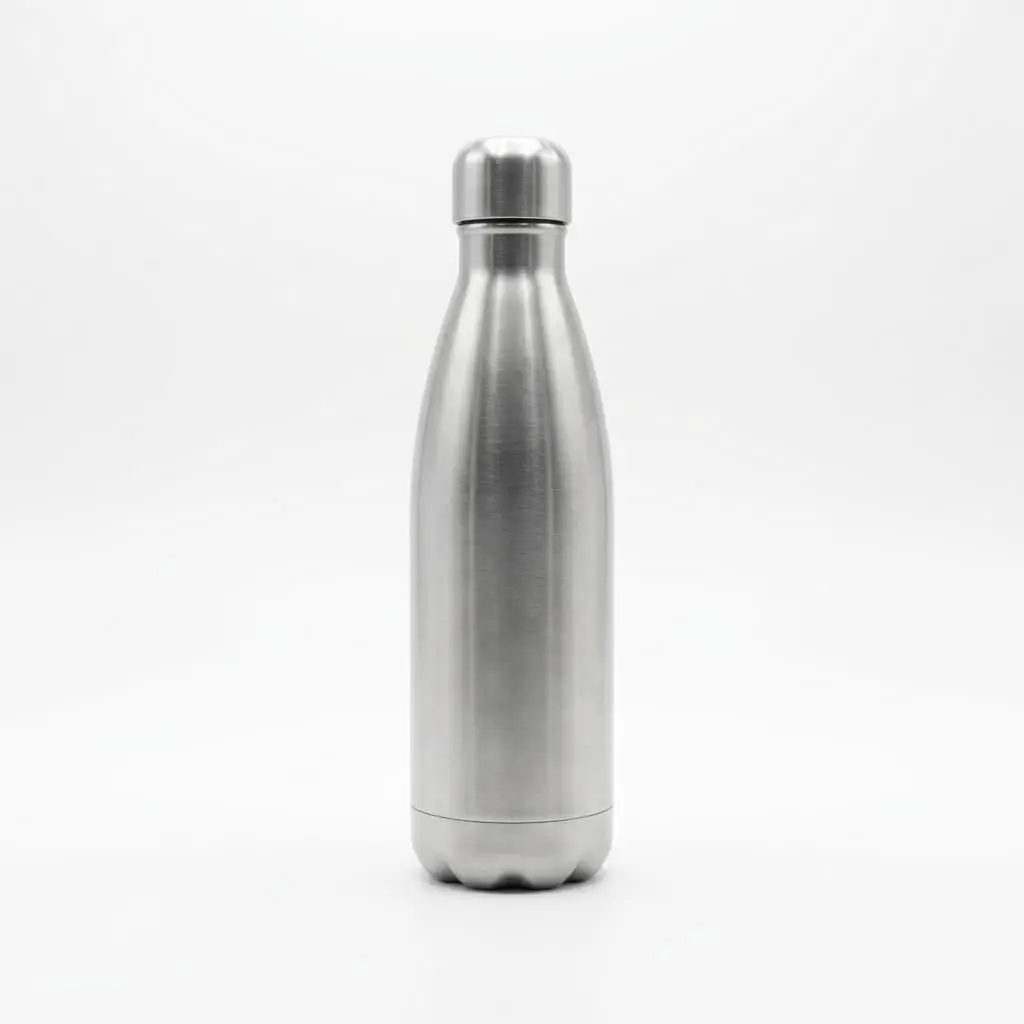 After
After
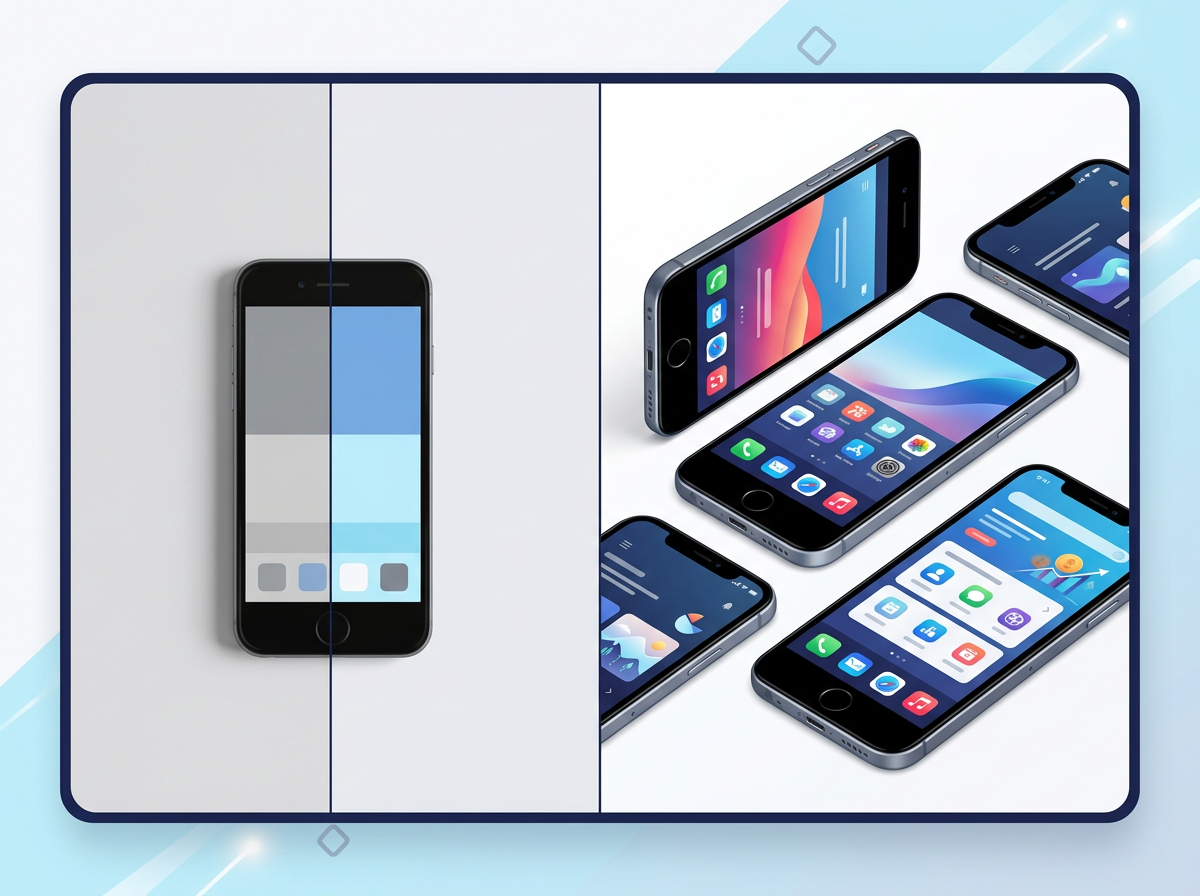
This is where tools like Seenable change the economics. Here's how it works, plainly:
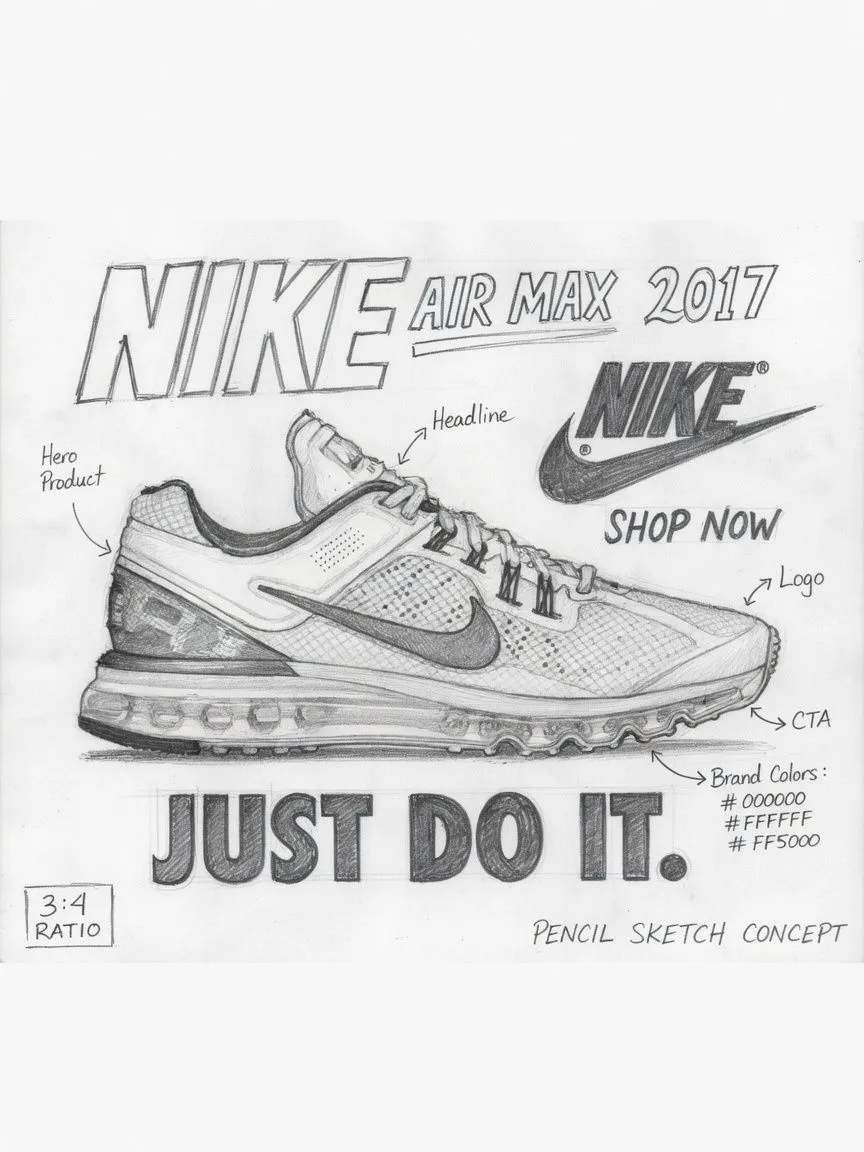
You upload one clear photo of your product — a phone photo is enough. The AI generates a set of professional shots: studio backgrounds, lifestyle contexts, different angles and settings. The product itself stays real and accurate — the AI enhances presentation (lighting, background, staging), it doesn't invent a different product.
Seenable's pricing is flat and predictable:
| Plan | Price | Shoots included | Effective cost |
|---|---|---|---|
| Free trial | $0 | 5 shoots (watermarked, personal use) | $0 |
| Creator | $19/mo | 33 shoots, commercial license | ~$0.58/shoot |
| Studio | $49/mo | 100 shoots, uncompressed, API access | ~$0.49/shoot |
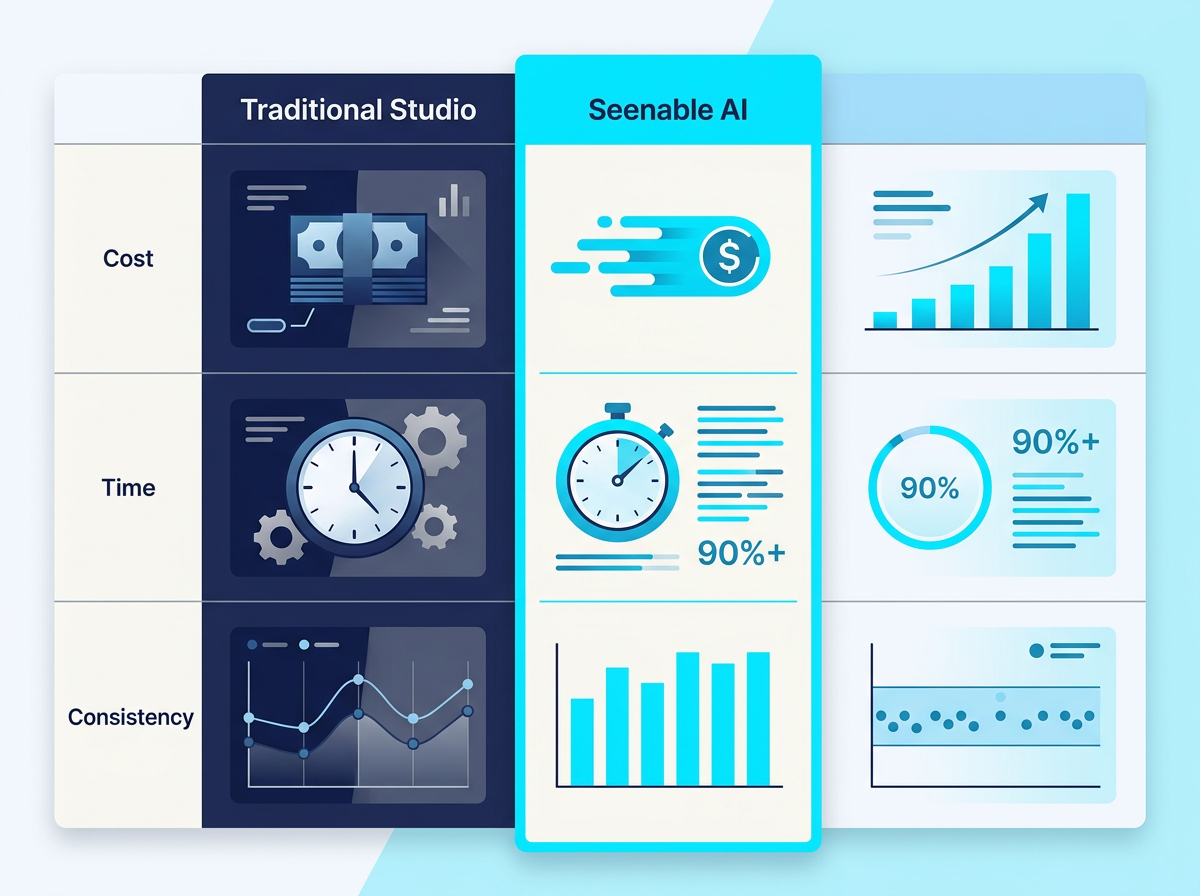
Compare that to $200–500 per product with a studio. Even a 12-SKU launch on the Creator plan costs $19 instead of $4,800. A 40-SKU catalog on the Studio plan costs $49 instead of $16,000.
No hourly rates. No revision fees. No rush charges. You know your cost before you start — which, for a founder juggling inventory, ads, and operations, is almost as valuable as the savings themselves.
Call it 5 minutes per product. A 40-SKU catalog is an afternoon of work, not a three-week project. You can launch products in rolling batches — ship ten, watch how they perform, adjust your listings, ship the next ten. Production stops being the bottleneck; your own decision speed becomes the constraint.
Because the same generation pipeline handles every image, your catalog comes out visually coherent — same lighting logic, same polish — whether you generate 10 images or 200, today or three months from now. New products added later match the ones already live. Your store looks like one brand, not five photo sessions stitched together.
AI product photography isn't the right answer for everything, and it's worth being upfront about where it fits and where it doesn't:
Works well: apparel, accessories, beauty products, packaged goods, gadgets, footwear, home goods, small electronics. Recognizable forms, standard staging needs.
Needs care or a hybrid approach: jewelry and eyewear with fine reflective surfaces, and large items like furniture that need real-scale lifestyle context. For these, AI hero shots plus some manual photography often makes sense.
Non-negotiable either way: your images must accurately represent the product. Because generation starts from your real product photo, accuracy is built in — but you should still review every set before publishing, exactly as you'd review a photographer's delivery.
Upload one image and get studio-quality product photos, on-model shots, and ad creatives — no camera, no studio, no wait.
Try Seenable AI freeNo credit card required · 130 free credits included
 Before
 After
After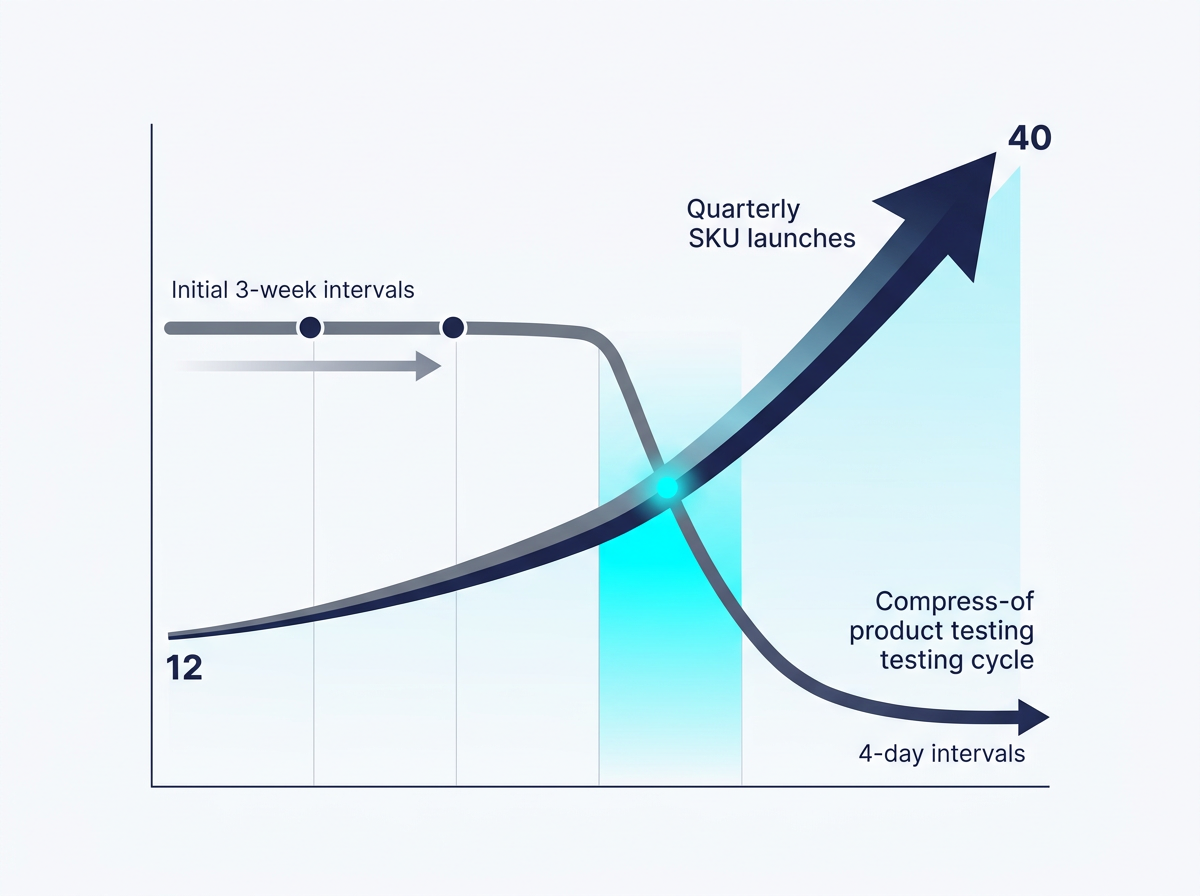
The savings matter — freeing up thousands of dollars of production budget means more money for inventory and ads, the levers that actually grow revenue. But the bigger shift is learning velocity.
When adding a product costs $400 and three weeks, you test cautiously and sequentially. When it costs under a dollar and five minutes, you can test more products in parallel, get market signals faster, double down on winners, and kill losers before sinking real inventory money into them. Speed to market stops being a production problem and becomes a competitive advantage.
Yes. Amazon, Shopify, Etsy, and other platforms accept AI-enhanced product imagery as long as images are clear, professional, and accurately represent the product. The requirement is accuracy, not production method.
The AI works from your real product photo — it changes presentation (lighting, background, context), not the product itself. Review each generated set before publishing, and be transparent in listings where appropriate.
Yes. Paid plans include a commercial license — images can be used across ecommerce platforms and ad channels with no royalties or usage limits.
Try the free trial with your hardest product first. If the results hold up, scale from there. If your product needs manual photography for certain shots, a hybrid approach still cuts most of the cost.
Upload one image and get studio-quality product photos, on-model shots, and ad creatives — no camera, no studio, no wait.
Try Seenable AI freeNo credit card required · 130 free credits included
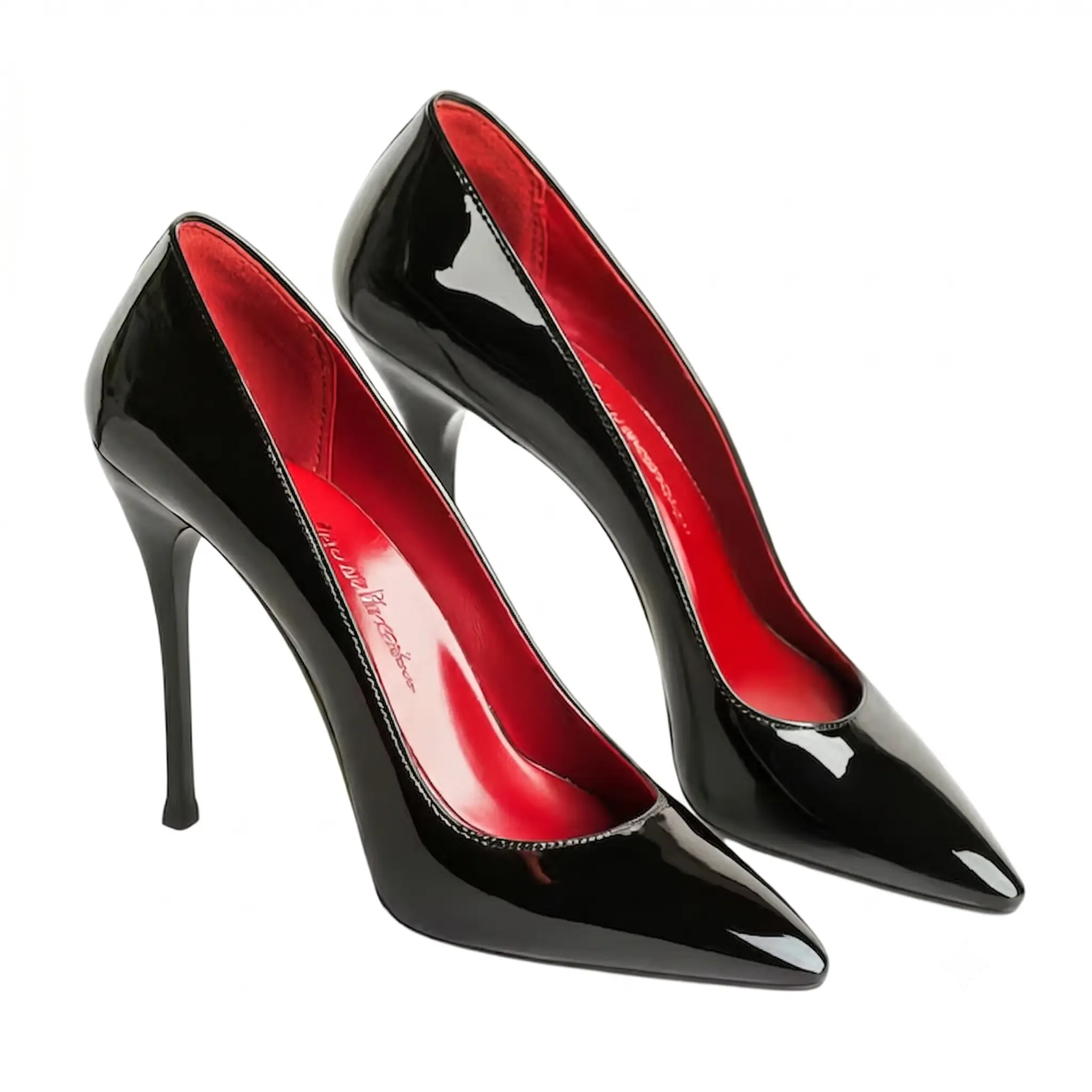 Before
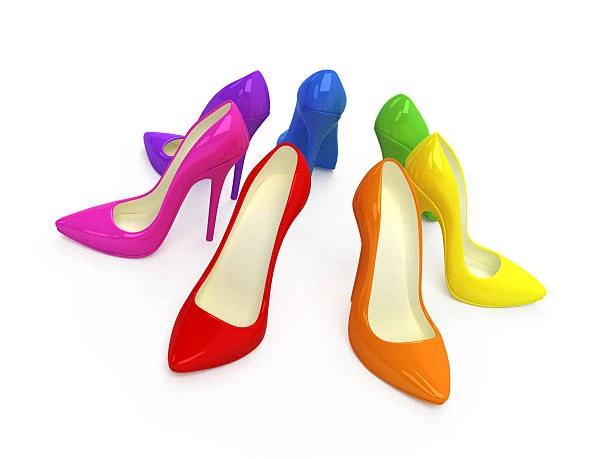 After
AfterThe best test isn't a blog post — it's your actual product. Upload one photo, get 5 professional shoots free, no credit card required. Keep the results, compare them against your last studio invoice, and decide with real evidence.
Generate your first 6-shot product set free—no credit card, no subscription. Start now.
Try Seenable AI free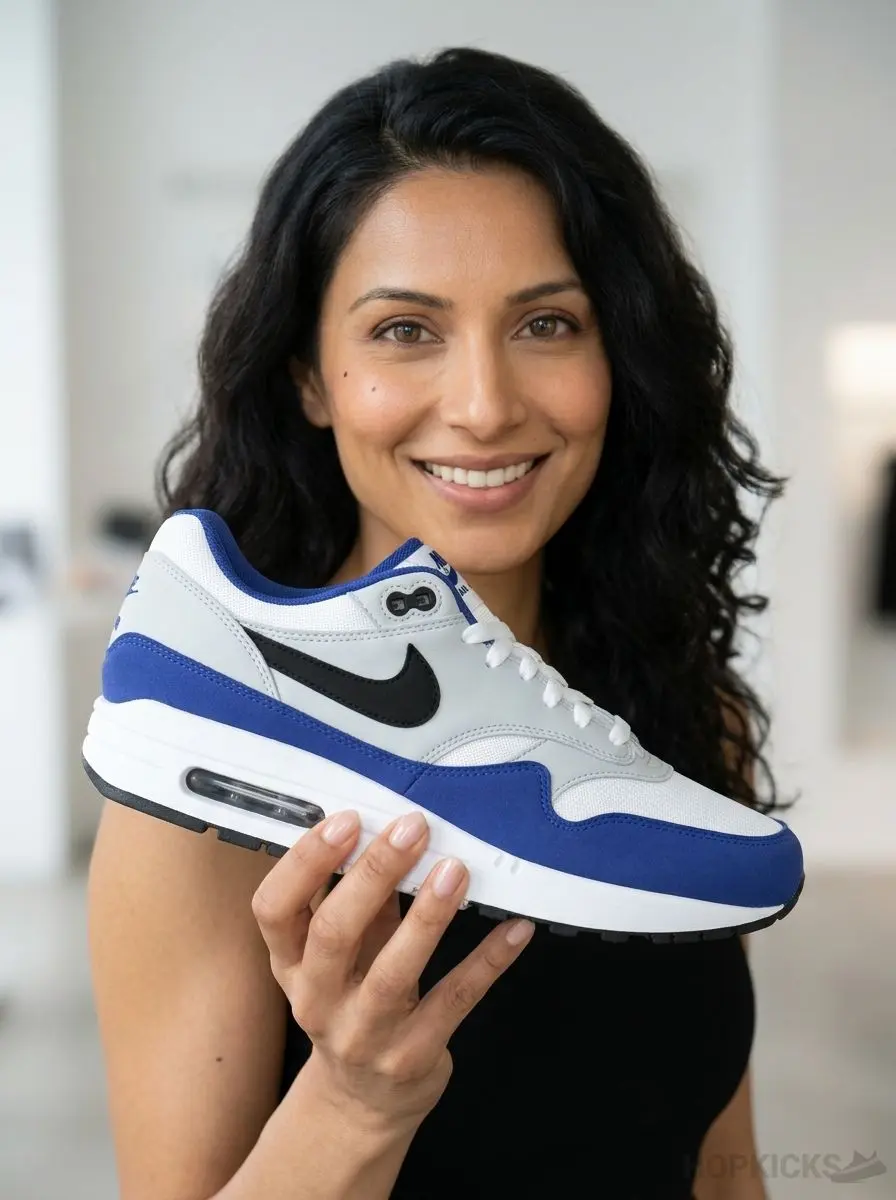 After
After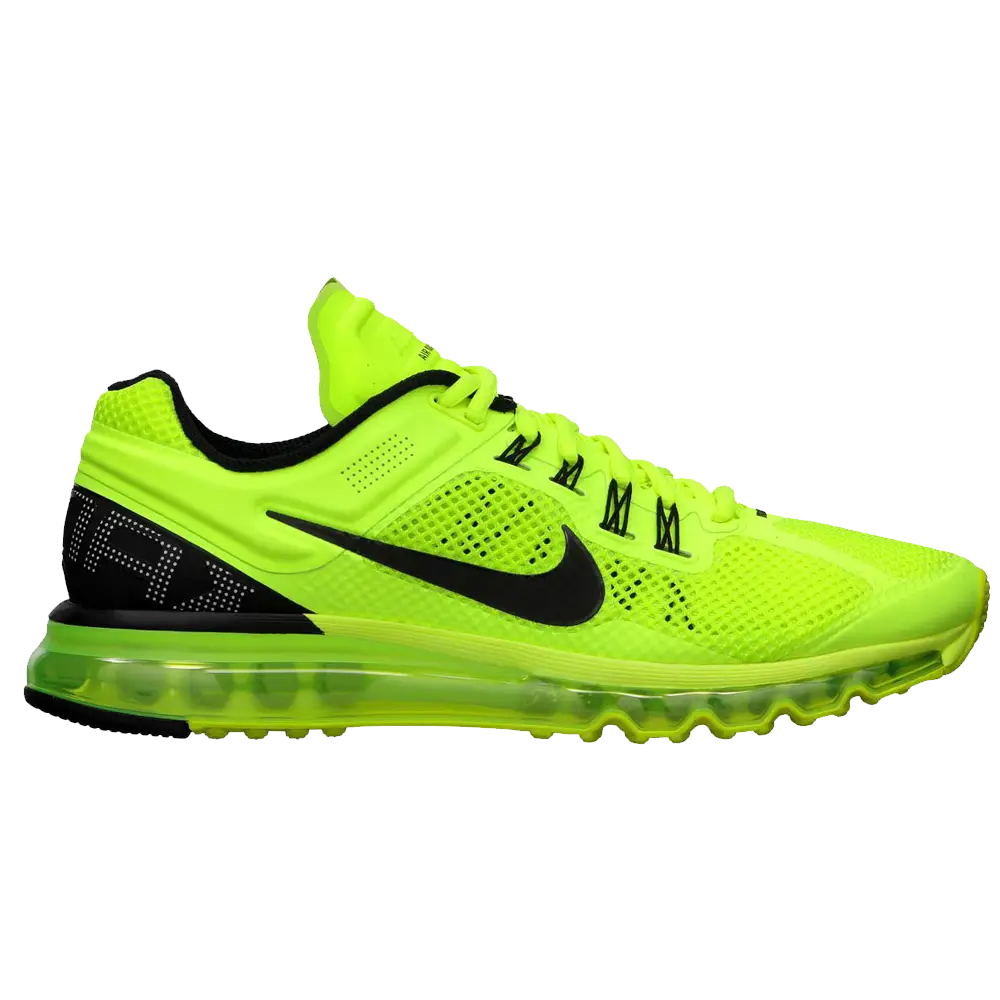
 After
After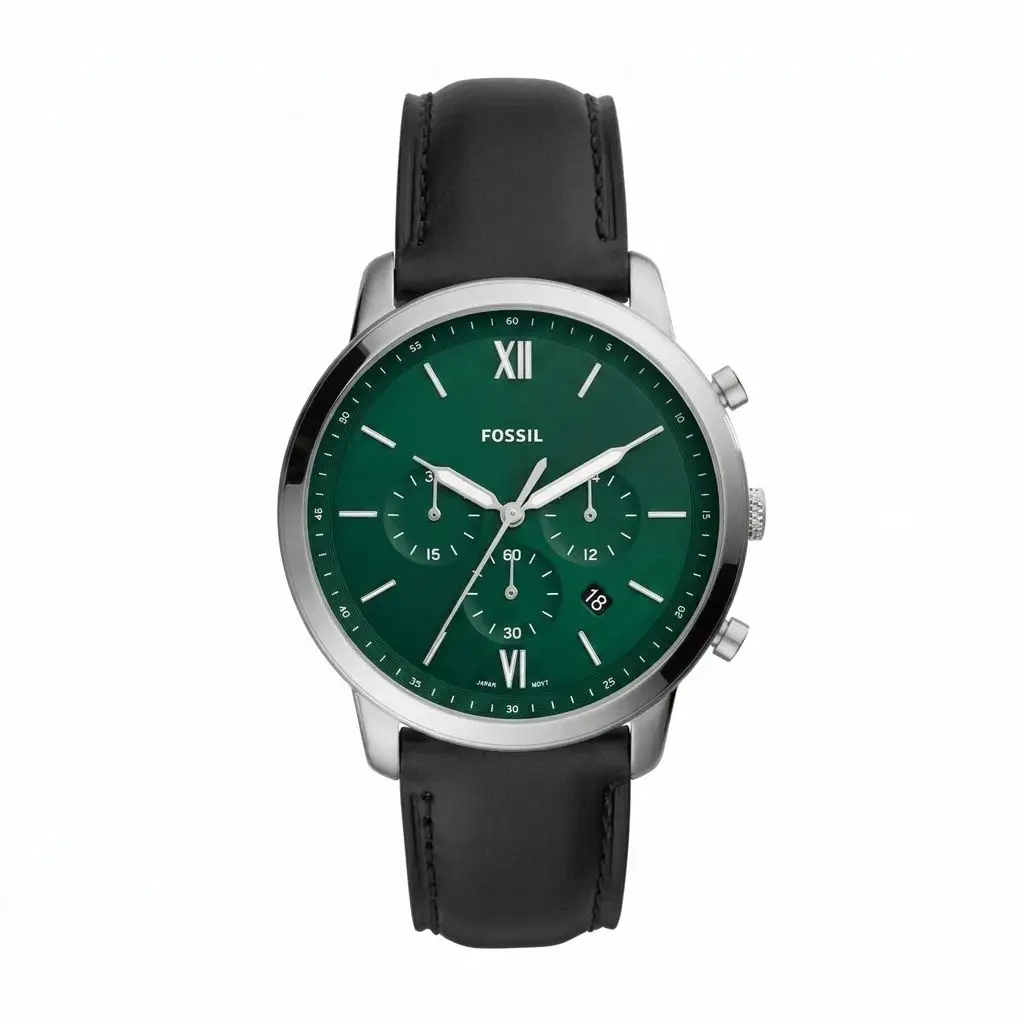
 After
After