

11 min read
Studio Photography Costs: Why We Built AI for Solo Sellers
Learn why studio photography costs ($250-500/product) are killing DTC launches. See how AI-generated product photography fills the gap studios can't serve.
Learn why studio photography costs ($250-500/product) are killing DTC launches. See how AI-generated product photography fills the gap studios can't serve.
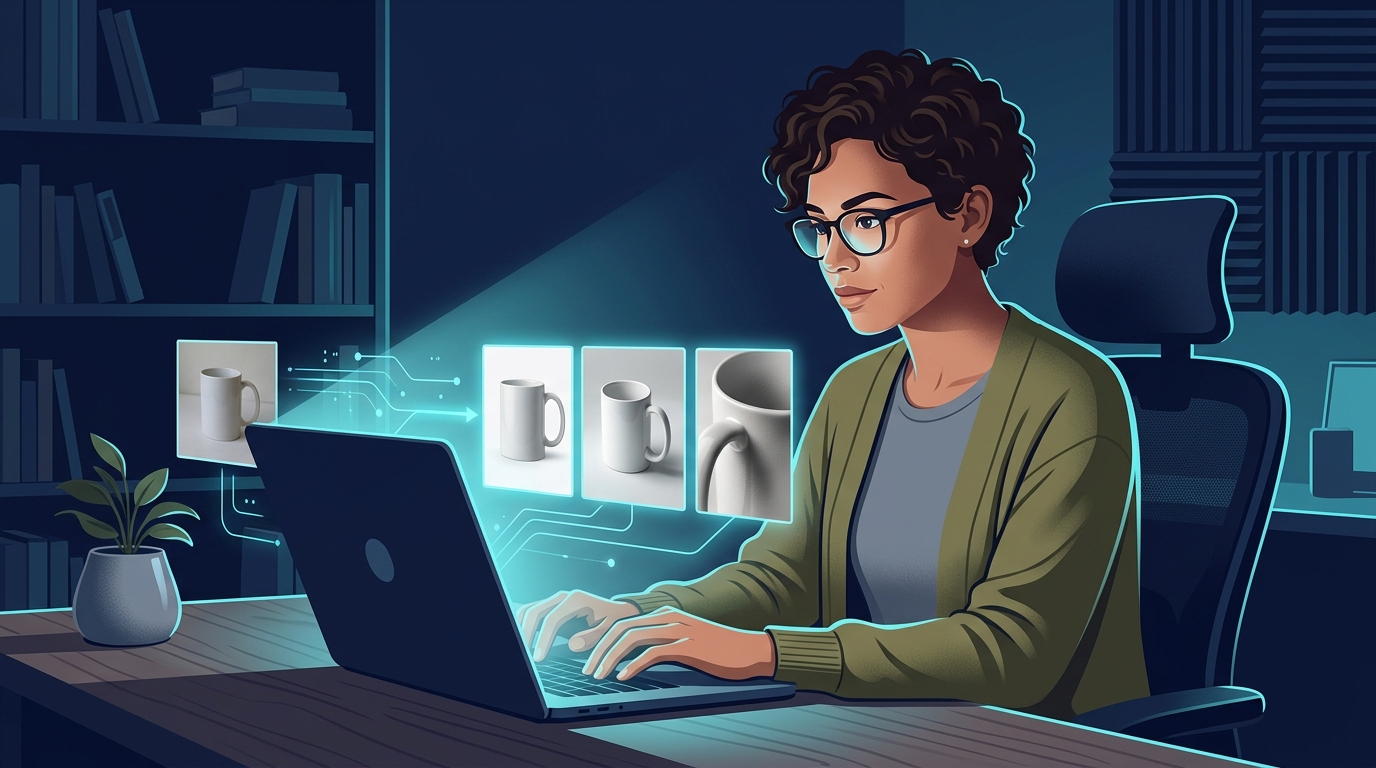
The traditional studio photography model—charging $200–500 per shoot with 3–5 day turnarounds—was built for established brands, not solo sellers launching their first products. AI-generated product photography isn't replacing professional photographers; it's filling an unserved economic tier where bootstrapped founders need studio-quality imagery fast and affordably to launch momentum and test conversions before committing to hired shoots.
A founder sits at their laptop at 11 PM, 48 hours before launch day. They've validated the product concept, secured inventory, built the Shopify store. One problem: they have phone photos that look amateurish next to their competitors' product listings. A quick Google search for "product photography studios near me" returns quotes: $400 per product, 5-day turnaround minimum. They do the math. Five SKUs. Twenty images minimum. That's $3,000–5,000 before the first customer lands on their site.
They're already behind on paid ads budget. Now they're out of time and out of money.
This scenario plays out thousands of times every month. And it reveals something fundamental about how the professional photography industry was built—and who it left behind.
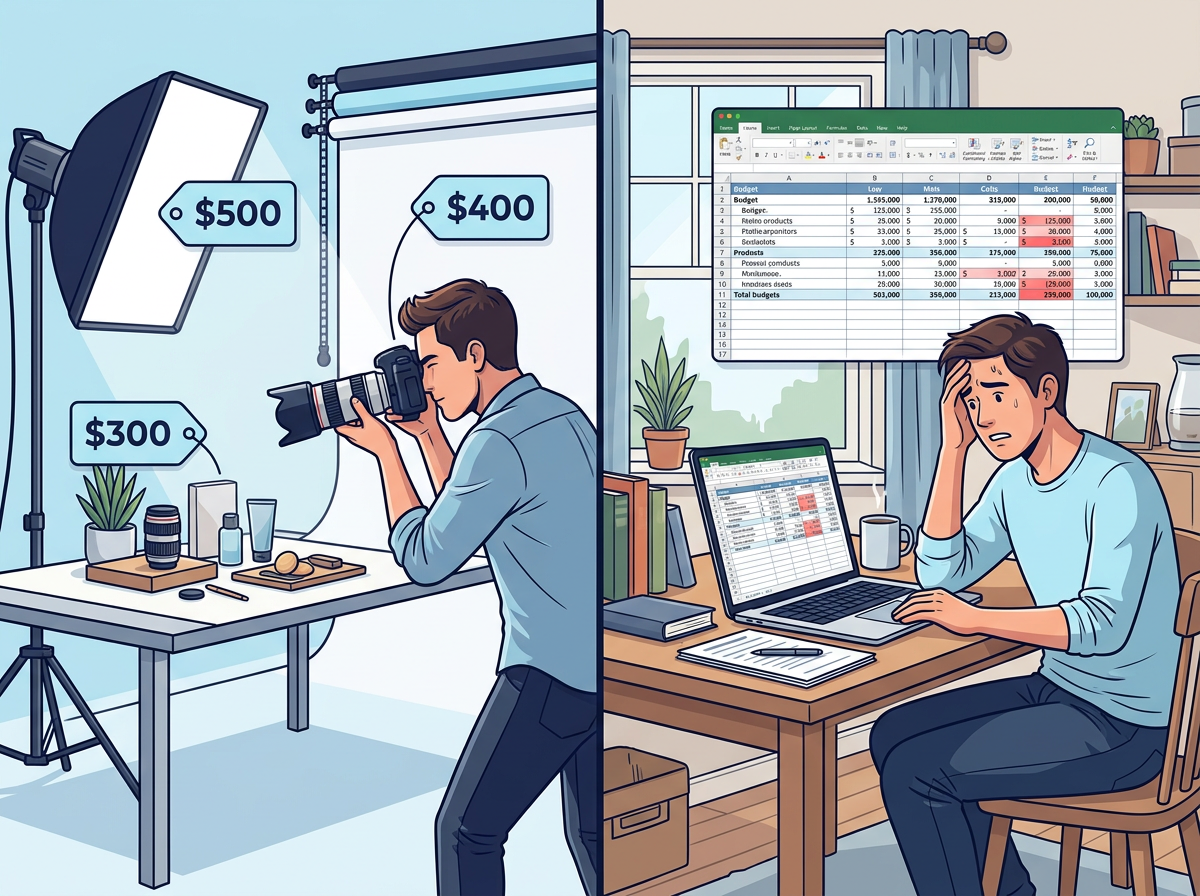
Let's start with actual numbers. Industry pricing data from ecommerce photography surveys and studio rate cards show that a single professional product shoot—one product, multiple angles, retouching included—ranges from $250–500 depending on location, photographer experience, and licensing rights. In major markets (Los Angeles, New York, London), studio day rates run $800–1,500, which translates to $300–600 per finished product when bundled.
A founder launching 5 SKUs with just 3–5 photos per product needs 15–25 finished images. At mid-market studio rates ($250–350 per image), that's $3,750–8,750 in production costs before a single unit sells.
Some founders negotiate bundle rates with freelance photographers ($150–250 per product), bringing the total to $750–1,250. But that still assumes they have capital to spend weeks before validation, and most don't.
The math gets worse when you factor in retouching, background editing, and managing multiple SKUs with different angles. What takes a studio 1–2 hours per product (shooting plus basic retouching) becomes a full project when you're juggling logistics, communication delays, and revision rounds.
For a bootstrapped founder with $3,000–5,000 in launch budget, studio photography often becomes the choice: spend it on photos and hope, or skip it and compete with phone imagery.
The turnaround problem cuts deeper than cost. Traditional studios operate on 3–5 day turnarounds because they batch shoots, coordinate schedules, manage retouching queues, and deliver final files in bulk.
For a founder testing market demand, this timeline is a killer. You can't generate images Monday, test them in ads Tuesday, gather feedback Wednesday, and iterate Thursday. You're locked into your first creative decision for days.
Seasonal trends, influencer partnerships, and paid ad windows move fast. By the time your studio photos arrive, the moment has passed. You've either committed to the wrong angle or you're launching behind competitors who moved faster.
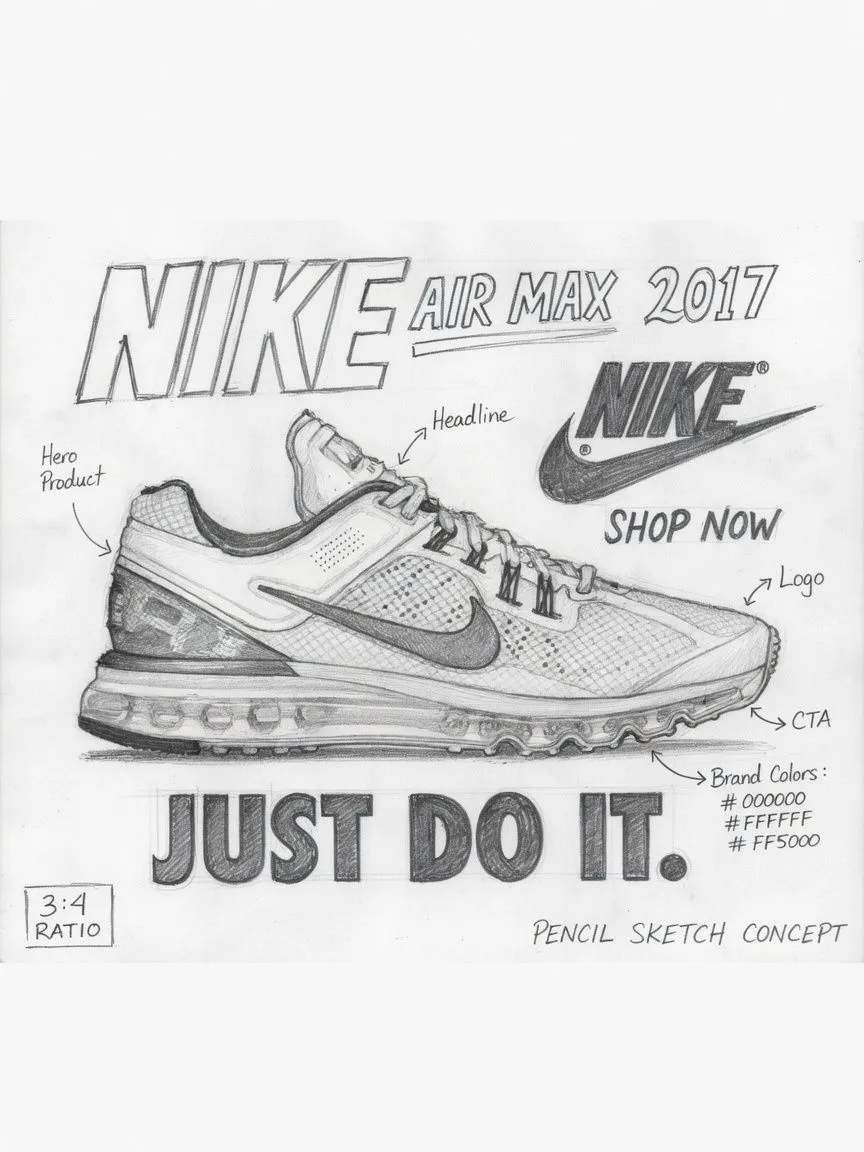
Upload one image and get studio-quality product photos, on-model shots, and ad creatives — no camera, no studio, no wait.
Try Seenable AI freeNo credit card required · 130 free credits included
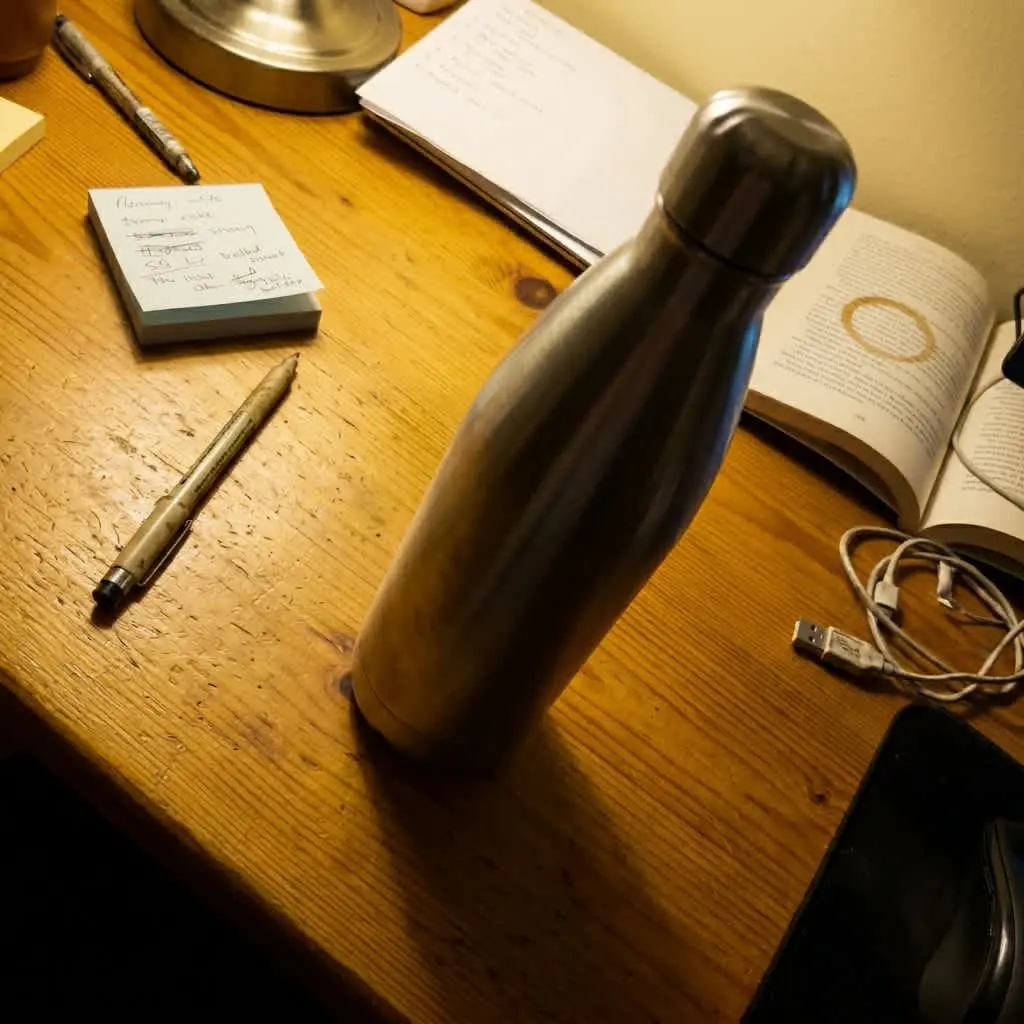 Before
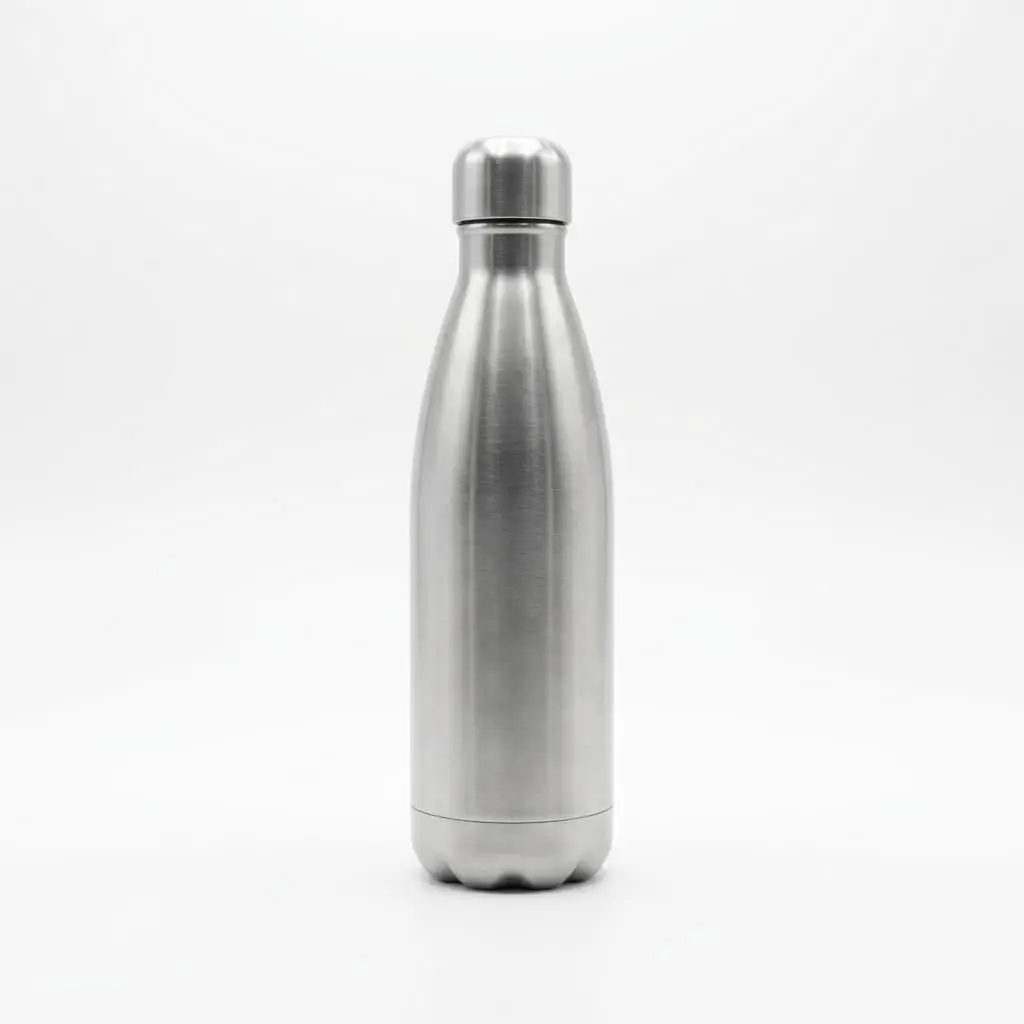 After
After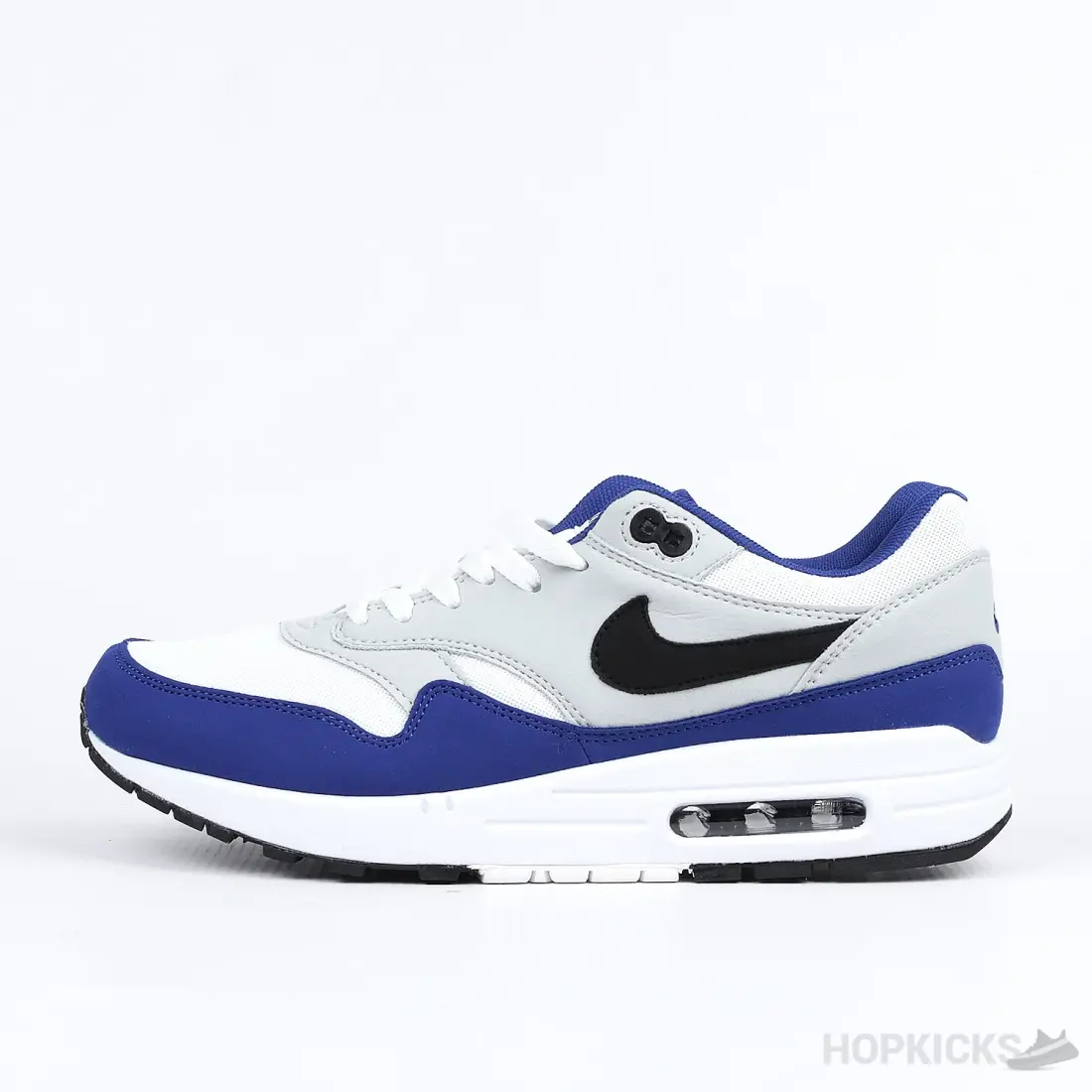
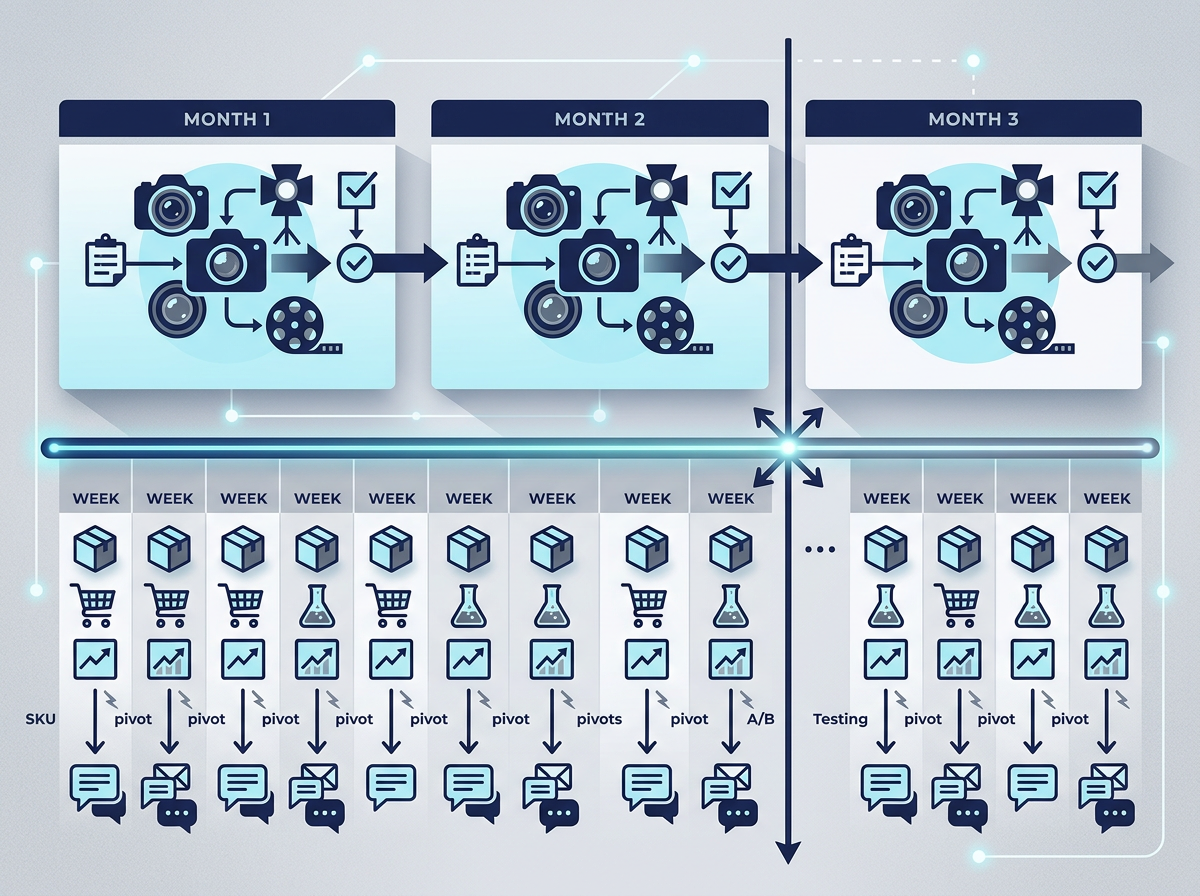
Traditional photography studios optimize for their core customer: established brands shooting 50–100+ products per year, often on retainers. At that scale, per-image costs drop to $50–150, and the 3–5 day turnaround becomes manageable because shoots are planned months in advance.
Brands like Everlane, Bonobos, and Warby Parker have standing photographer relationships and shoot hundreds of products annually. For them, consistency, creative direction, and premium aesthetics matter. The studio model works because volume justifies quality investment.
Once a brand hits $500K–1M in revenue, hiring a full-time or part-time photographer (or locking in an agency retainer) becomes economical. They shoot continuously, maintain visual consistency, and can experiment with new styles and angles because the per-product cost is amortized across thousands of units.
These brands aren't price-shopping photographers. They're investing in creative talent as a competitive asset.
But what about the founder launching their first product? The e-commerce manager testing a new category? The Amazon FBA seller launching their second SKU?
These makers face the same base studio cost as an established brand—$250–500—but they're spreading it across 5 SKUs, not 500. Per-product economics are brutal. They're too small to negotiate better rates and too capital-constrained to wait for turnarounds.
Freelance photographers help, but they still charge $150–300 per product and require 5–7 day turnarounds. Quality is inconsistent. Retouching is manual. Consistency across multiple products is harder to achieve.
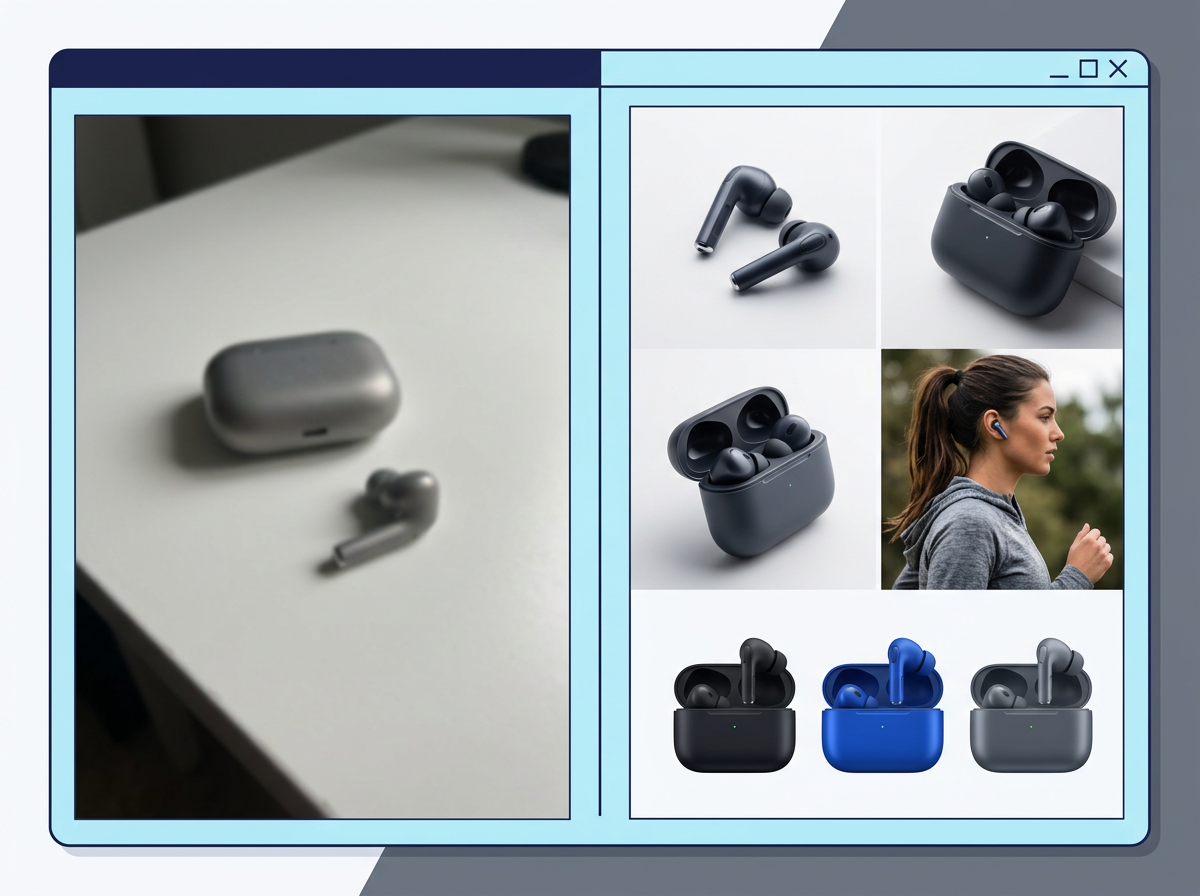
Here's the critical insight: AI-generated product photography isn't cannibalizing the studio market. It's filling a tier that studios were never competing for because they couldn't profit serving it.
For a founder with no product photos, the alternative to AI isn't a hired photographer. It's no photos, phone shots, or overpriced stock imagery that doesn't even match their product. Studios were never in the running. The pricing was always prohibitive.
AI changes the equation entirely. A founder can generate 12 studio-quality product images—multiple angles, consistent lighting, professional shadows—in 20 minutes for $0–50 in credits. That's a tier that studios never competed in because the per-unit economics don't work for human labor.
Generate product images in 20 minutes. Test them in ads the same day. Gather feedback overnight. Iterate the next morning.
Compare that to the traditional timeline: book a studio (1–2 weeks lead time), shoot day (1 day), retouching (3–5 days), files delivered. By day 10, you've committed to product angles and styling that you never validated.
That 10× speed difference is a moat for solo sellers. It compresses a 2-week pre-launch cycle into 48 hours.
Use AI to test variations instantly. Generate five different background styles. Try bright, minimalist lighting versus dramatic side-lighting. Test lifestyle contexts versus pure product shots.
One hour, 20 variations, $10 in credits spent. You now have data on which angle drives the highest click-through rate in ads, which lighting feels "premium" to your audience, which context tells the best story.
Then, once you've validated demand and can measure ROI, invest in a hired photographer for the shots that matter: premium lifestyle imagery, behind-the-scenes content, brand narrative. That's where human creativity adds value. But you've de-risked the upfront investment by using AI to prove the concept first.
Upload one image and get studio-quality product photos, on-model shots, and ad creatives — no camera, no studio, no wait.
Try Seenable AI freeNo credit card required · 130 free credits included
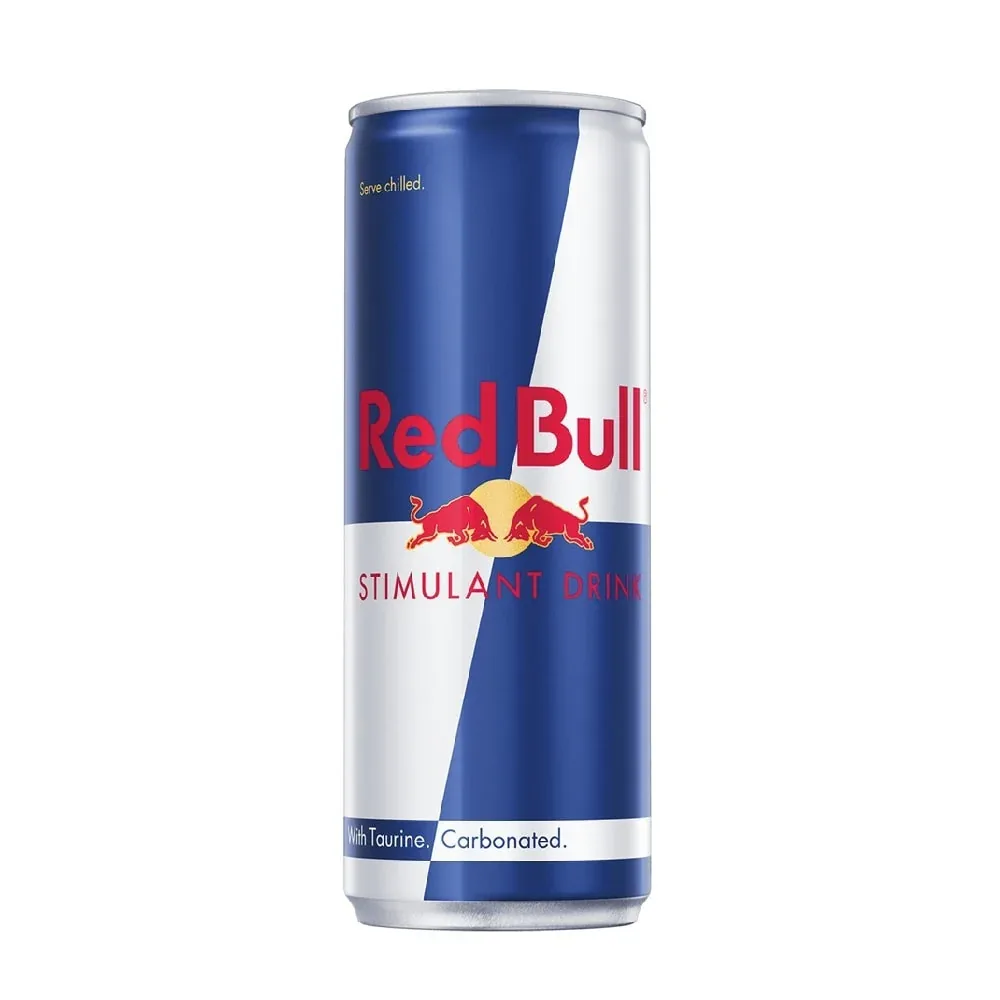 Before
 After
After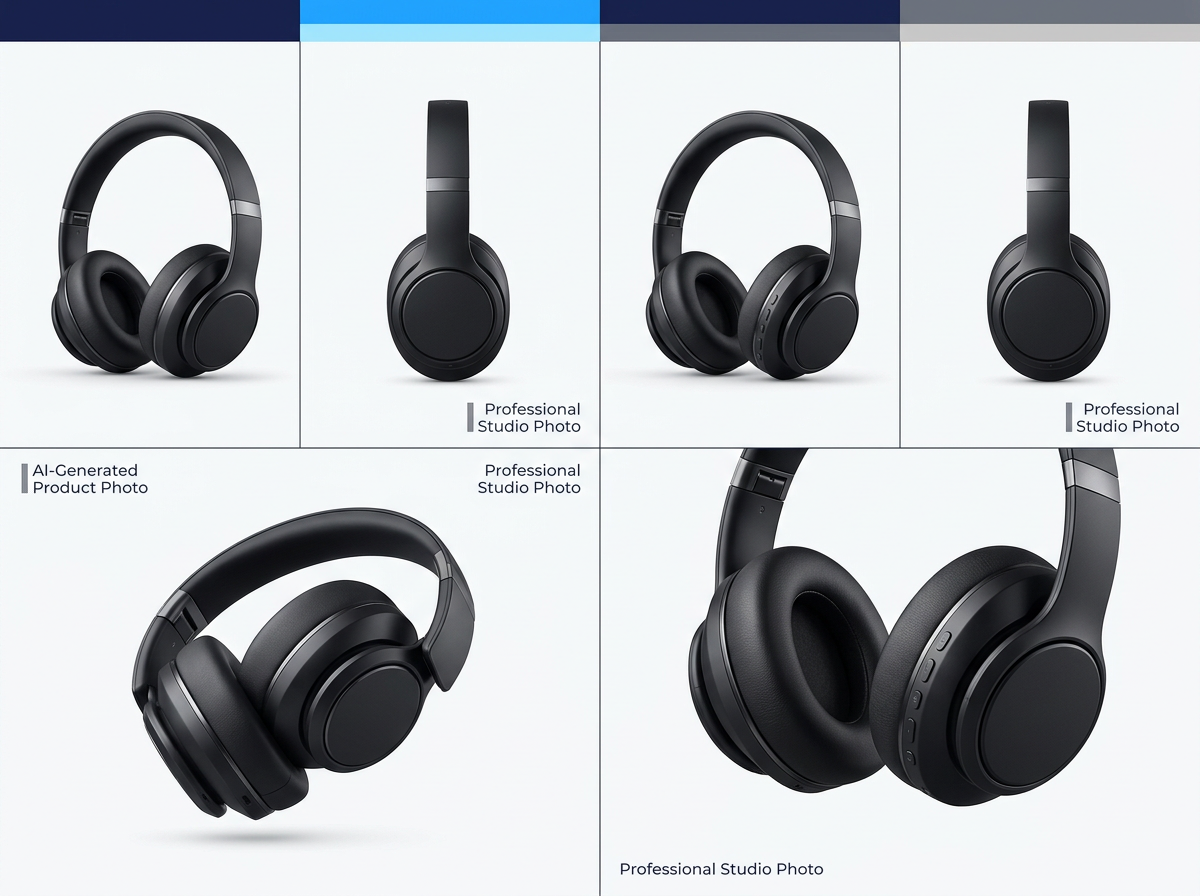
Seenable AI doesn't claim that images are 100% real photography. All AI-generated product images must be disclosed as such—it's both a legal requirement and a matter of brand integrity.
The conversation isn't "is this AI or hired?" The conversation is: "What problem does this solve, and how fast?"
Modern AI product photography now generates images that visually match mid-tier professional studio work in lighting, shadow rendering, and angle variety. For commodity product categories (apparel, accessories, small electronics, home goods), conversion data shows no statistically significant difference between AI-generated and professionally shot images when consistency and lighting quality are equal.
The difference isn't in the pixels. It's in speed and cost.
Ecommerce benchmarks are clear: multi-angle product shots boost conversions 25–40% compared to single-angle images. Consistent lighting and styling across your entire catalog improves brand perception and repeat purchase rates.
The source of those images matters less than the quality of execution. A consistent, well-lit AI-generated product set outperforms inconsistent, poorly-lit hired photography every time.
Founders who disclose AI imagery and pair it with authentic unboxing videos, customer testimonials, and lifestyle content build stronger brand loyalty than those who hide production methods.
Customers don't expect photos to be "real" in the way they did five years ago. They expect honesty. They expect consistency. They expect the product to match what they see. AI satisfies all three.
Generate images morning of day one. Launch test ads afternoon. Gather feedback that night. Iterate day two. Scale day three.
A solo seller who took six weeks to launch with a photographer can now validate, test, and scale in a week. That's a competitive advantage that compounds.
Generate 20 variations of a product in one hour. Run small-budget ads to 200–500 people split-testing different angles. Identify the highest-converting shot. Then commit paid media budget and influencer partnerships to proven creative.
Risk drops dramatically. Instead of spending $500 on photography and hoping it converts, you spend $20 on AI generation and $100 on test ads to validate before scaling.
Seasonal pivots and trend-chasing become viable. If an aesthetic shifts mid-season, regenerate your entire catalog in hours, not weeks.
If a competitor's packaging inspires a new angle, test it in real time. By the time a hired photographer could even quote the job, you've already gathered conversion data and pivoted.
If a product doesn't validate (low CTR, poor conversions), the founder invested only $5–20 in AI generation. Not $500 in a premature hired shoot.
This reframes the entire economics of product validation for bootstrapped sellers.
Upload one image and get studio-quality product photos, on-model shots, and ad creatives — no camera, no studio, no wait.
Try Seenable AI freeNo credit card required · 130 free credits included
 Before
 After
AfterNo. Modern AI generates studio-quality lighting, realistic shadows, and multi-angle shots that visually match professional mid-tier photography. The difference isn't quality—it's speed and affordability.
Studios were built for high-volume, repeat clients. AI fills the gap for founders who need one-off, fast iterations. Transparency matters: disclose that images are AI-generated, and the conversion data will speak for itself.
High-end fashion, luxury goods, and lifestyle photography—where creative direction and human artistry drive brand narrative—will always require hired talent. AI is eroding the mid-tier commodity work: rapid turnarounds, standardized lighting, bulk catalog shoots that studios were already pressured to undercut.
For bootstrapped founders, AI isn't replacing a photographer they would have hired. It's replacing phone shots and overpriced stock imagery.
AI product photography via Seenable AI costs roughly $0–0.50 per image (credit-based, no subscription). A professional studio shoot costs $250–500 per product batch, or $200–400 per product on average.
For a founder launching five products, AI is 90% cheaper upfront and instant.
Yes, with transparency. Both platforms allow AI-generated images if disclosed as such. Most brands pair AI product photography with authentic lifestyle, unboxing, and testimonial content to build trust.
Mix AI efficiency with authentic brand storytelling.
Modern AI product photography is indistinguishable from professional studio work for most product categories. If images look "too perfect," that signals poor prompt engineering or low-quality tools.
Seenable's AI is trained on real studio photography, so results match the lighting, imperfections, and realism of hired shoots.
Use AI to validate demand, test angles, and launch fast. Once you're selling consistently and can measure ROI, hire a photographer for premium lifestyle, behind-the-scenes, and brand narrative content that AI can't match.
Think of AI as a low-risk proving ground. Use it to justify higher investments.
The studio photography economy wasn't broken because photographers got worse. It was broken because it was built for a business model that doesn't serve most ecommerce sellers anymore.
Solo founders need speed. They need affordability. They need to iterate, test, and validate before committing capital. AI delivers all three.
If you're launching a new product, testing a new category, or managing a catalog that changes weekly, there's no reason to wait for a studio turnaround or spend money you haven't earned yet.
Try Seenable AI for free. Generate studio-quality product photography in minutes—no credit card required. Start testing your first product images today and see how launch velocity changes when photography isn't the bottleneck.
Try free product photography generation—no credit card required
Try Seenable AI free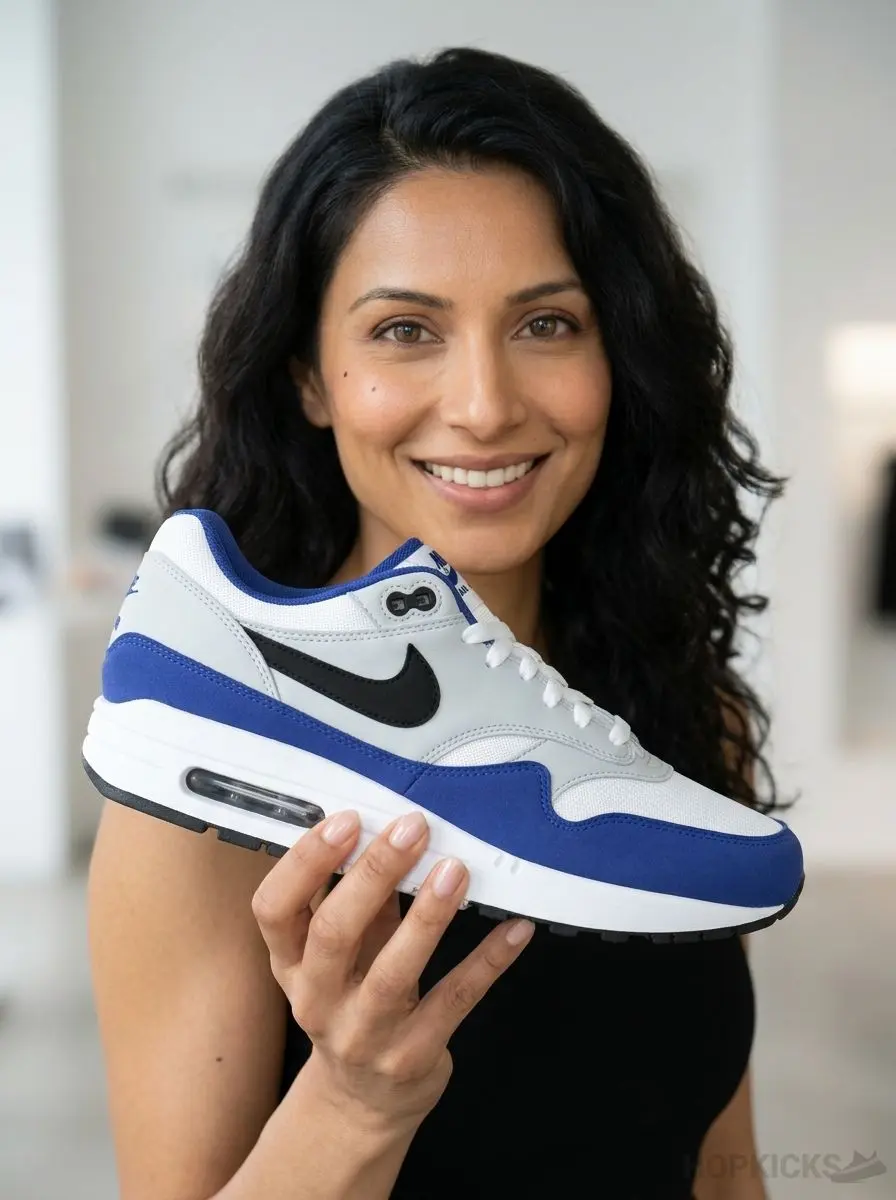 After
After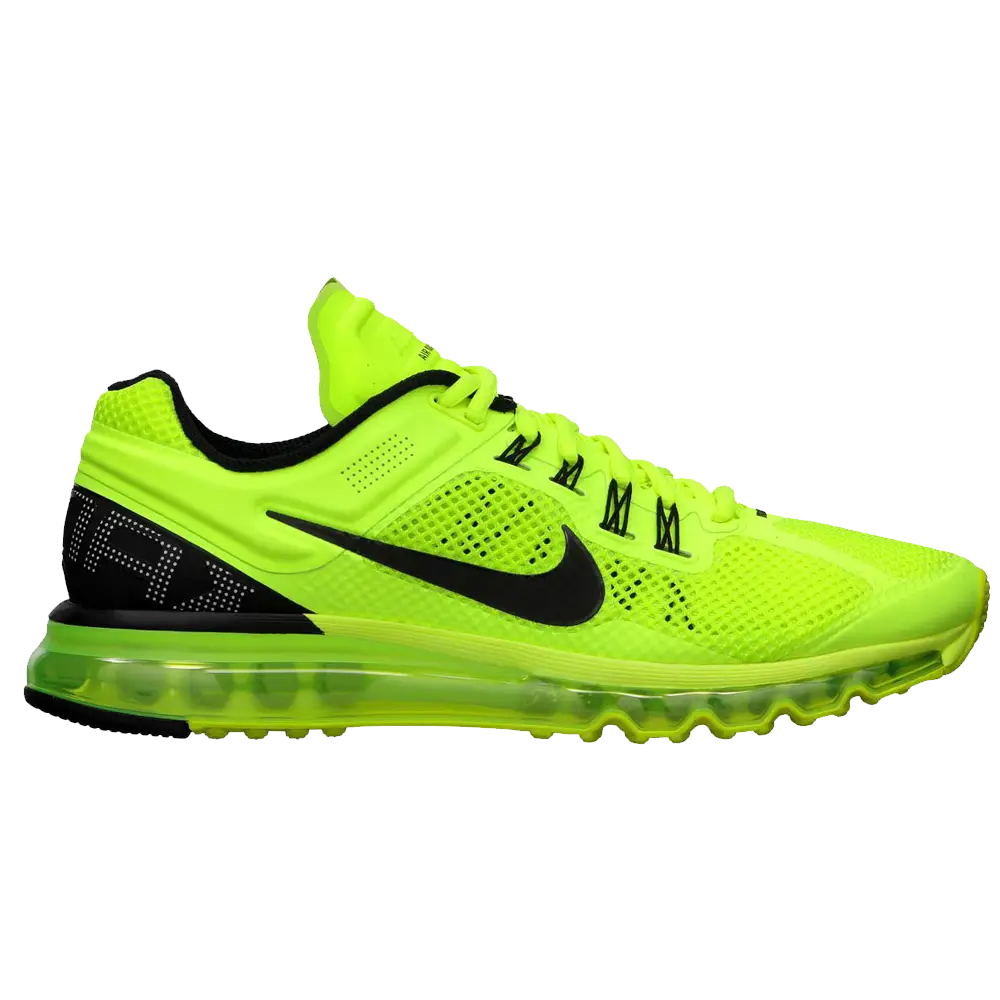
 After
After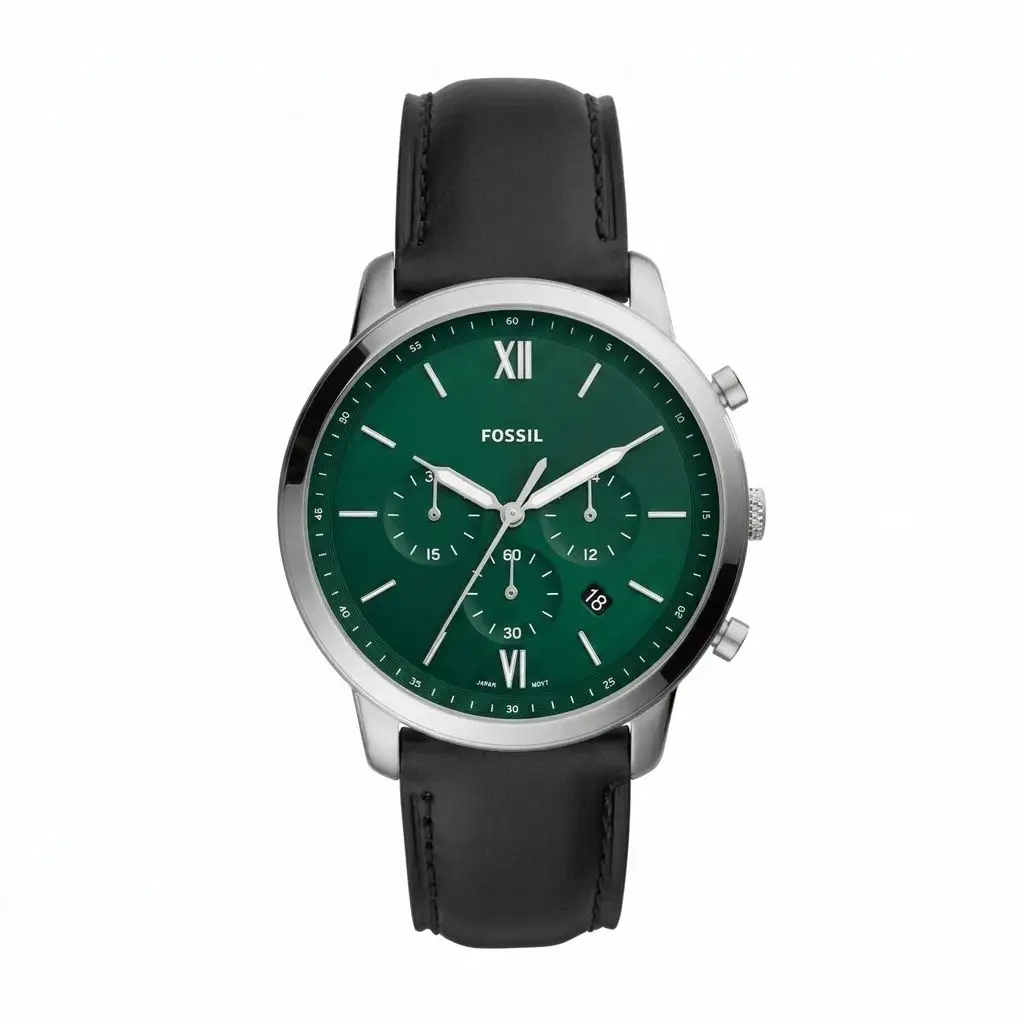
 After
After