

12 min read
Turn Product Photos Into 22+ Ad Creatives Monthly
Convert a single product photo into dozens of ad variations across formats. Reduce creative costs 80-95% and lower CPA by 31% through faster iteration.
Convert a single product photo into dozens of ad variations across formats. Reduce creative costs 80-95% and lower CPA by 31% through faster iteration.
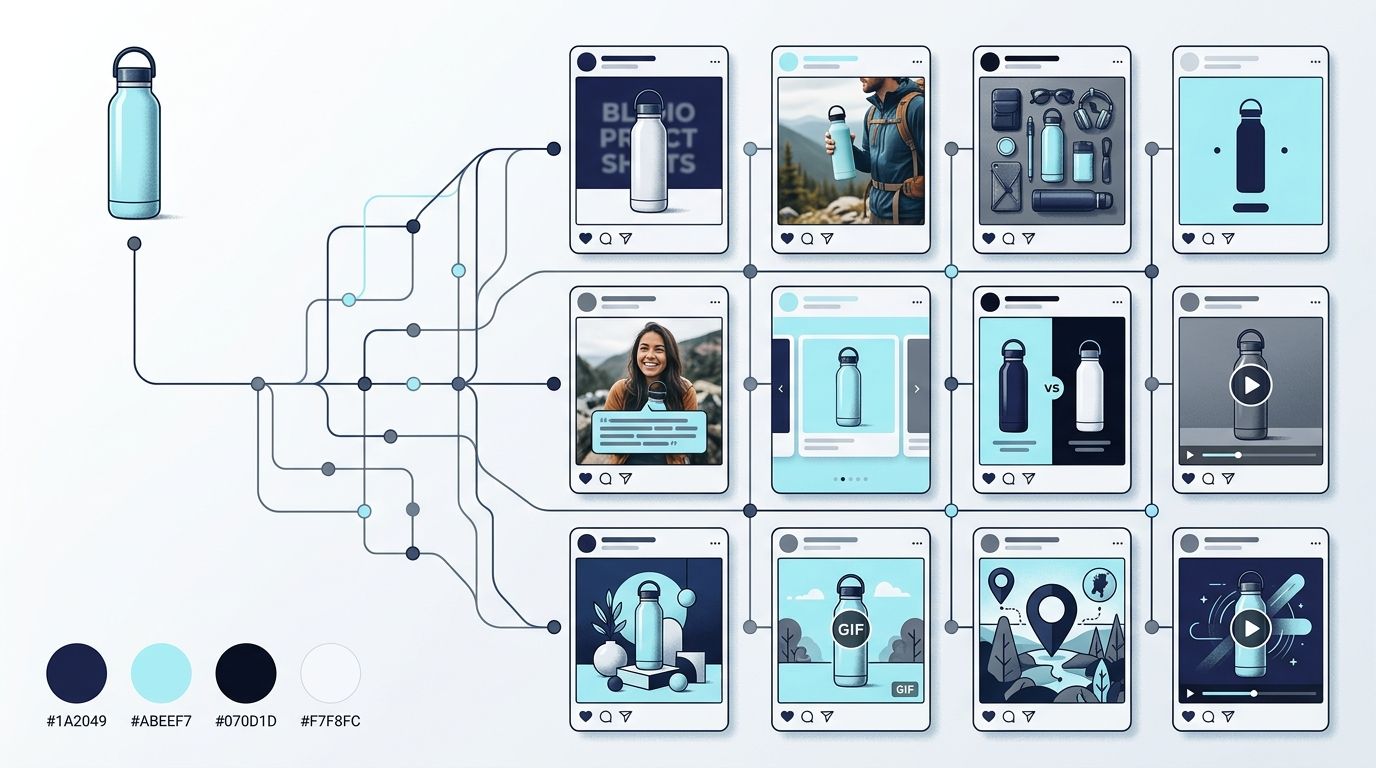
Most ecommerce brands don't have a creative problem—they have a production problem. By systematically converting a single product image into multiple angles, formats, and ad variations using AI, you can test 10+ creative concepts per month instead of 3, reduce creative production costs by 80–95%, and lower your CPA by 31% through faster iteration and fatigue prevention.
You're staring at your Ads Manager dashboard. CTR is dropping. Your best-performing creative from last month is now costing 40% more per click. You've run the same three ads for six weeks.
Your first instinct: hire a designer, book a photographer, start the production cycle all over again. Three weeks and $2,500 later, you have one new hero shot and maybe two ad variations.
By then, you've already lost two weeks of testing momentum.
The real problem isn't that you lack creative talent. It's that your production pipeline wasn't built for the volume you actually need. The median ecommerce brand produces eight new ad creatives per week. Top performers produce 22. The difference isn't a bigger design team—it's a system that turns one product image into dozens of variations across formats, platforms, and angles in hours instead of weeks.
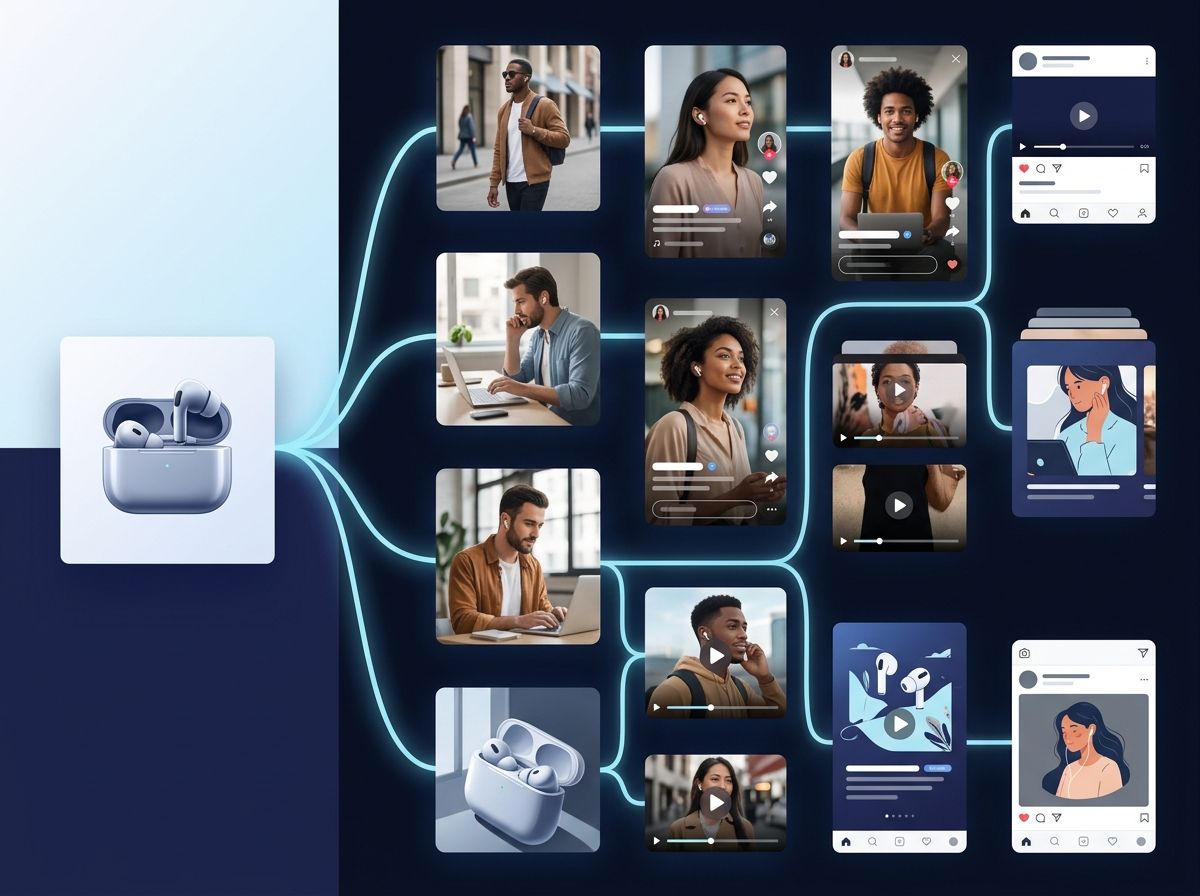
Ad creative accounts for 70% of campaign performance variance on Meta—more than audience targeting or bidding strategy combined. Which means the smallest operational change in how you produce creative compounds across every dollar you spend.
But here's the catch: creative fatigue cycles have sped up dramatically. Fashion ads lose 35% effectiveness in just 11 days. Food and beverage lose 40% in nine. That used to feel like an edge case for hypercompetitive categories. Now it's the baseline.
By the time your designer finishes round-two mockups, creative fatigue has already hit in round one. You're always two weeks behind the refresh cycle.
Your production timeline is now your limiting factor, not your creative talent.
Brands using traditional photography workflows (phone call, booking, shoot day, edit, export) take 5–7 days minimum per product. Add platform-specific cropping and format variations, and you're at 10–14 days for a usable set. That's barely faster than the fatigue cycle itself.
The math is brutal. If your median competitor produces eight creatives weekly and you produce eight, you're tied. But the top quartile is operating at 22. Over a month, that's 88 creatives versus 32. Over a quarter, it's 264 versus 96.
They're not three times better at design. They've engineered a three-times-faster production system.
Upload one image and get studio-quality product photos, on-model shots, and ad creatives — no camera, no studio, no wait.
Try Seenable AI freeNo credit card required · 130 free credits included
 Before
 After
After
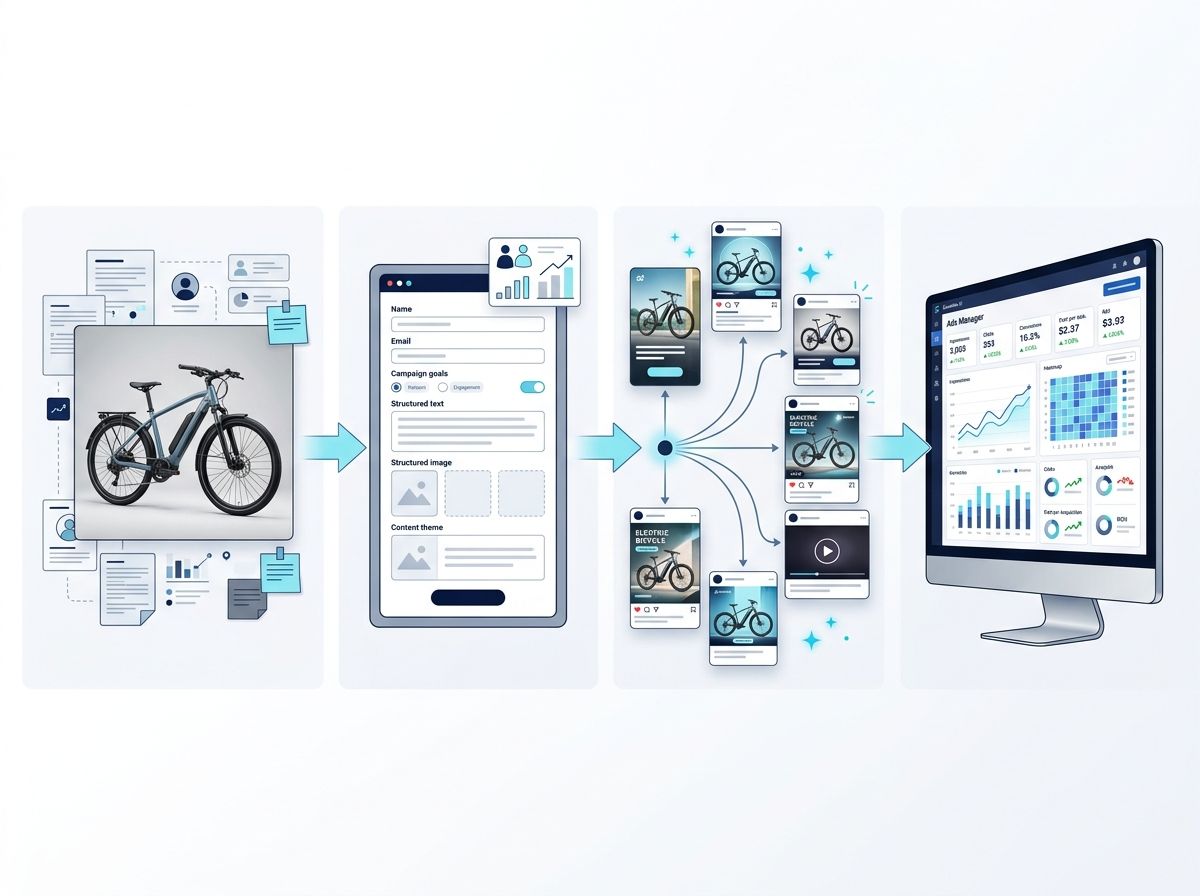
Scaling creative production without scaling headcount requires structure. Most teams treat creative as a one-off request ("we need ads for this product"). Winners treat it as a pipeline with stages.
Before you generate anything, spend 30 minutes in the Ad Library. Find the top five competitors in your category. Screenshot their best-performing ads from the last 60 days. Identify the three to five creative hooks they're testing: demo-heavy, lifestyle-first, price-focused, social proof, urgency.
Skip this stage, and AI generation defaults to generic template output. Every variation looks slightly different but conceptually identical. Winning creatives start with a competitive hypothesis.
Document before you generate. Product specs (price, category, unique features), brand voice (polished vs. scrappy), target customer (first-time buyer vs. repeat), and desired formats (carousel, single-image, video thumbnail, UGC-style mockup).
This input structure is what separates scalable production from one-off requests. Feed the same brief into your AI generation tool three weeks later, and you get consistent output across batches. No "wait, did we decide on white background or lifestyle?" conversations.
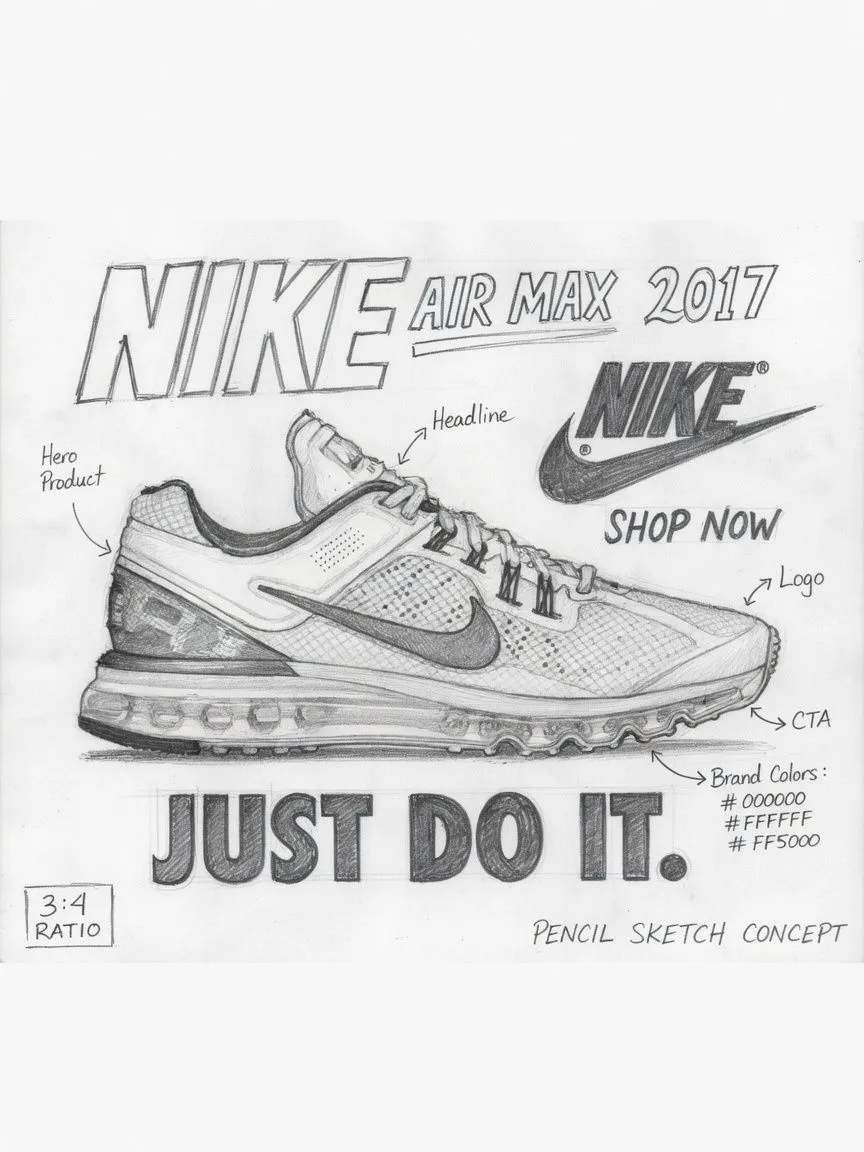
One product image becomes:
This is the stage where AI product photography saves 80–95% of traditional studio costs. One studio shoot runs $150–$500 per image. AI-generated variations run $0.02–$2.00 per image. You're not choosing between "perfect studio photo" and "good enough AI photo"—you're choosing between "I can afford three photos" and "I can afford 50."
Monitor CTR weekly. When it drops 20–30% from baseline, refresh the creative. This typically occurs every two to three weeks in high-competition categories (fashion, food, beauty), every four to six weeks in lower-fatigue categories.
Top performers don't wait for CTR to tank—they rotate preemptively. They're already testing the next batch before fatigue hits.
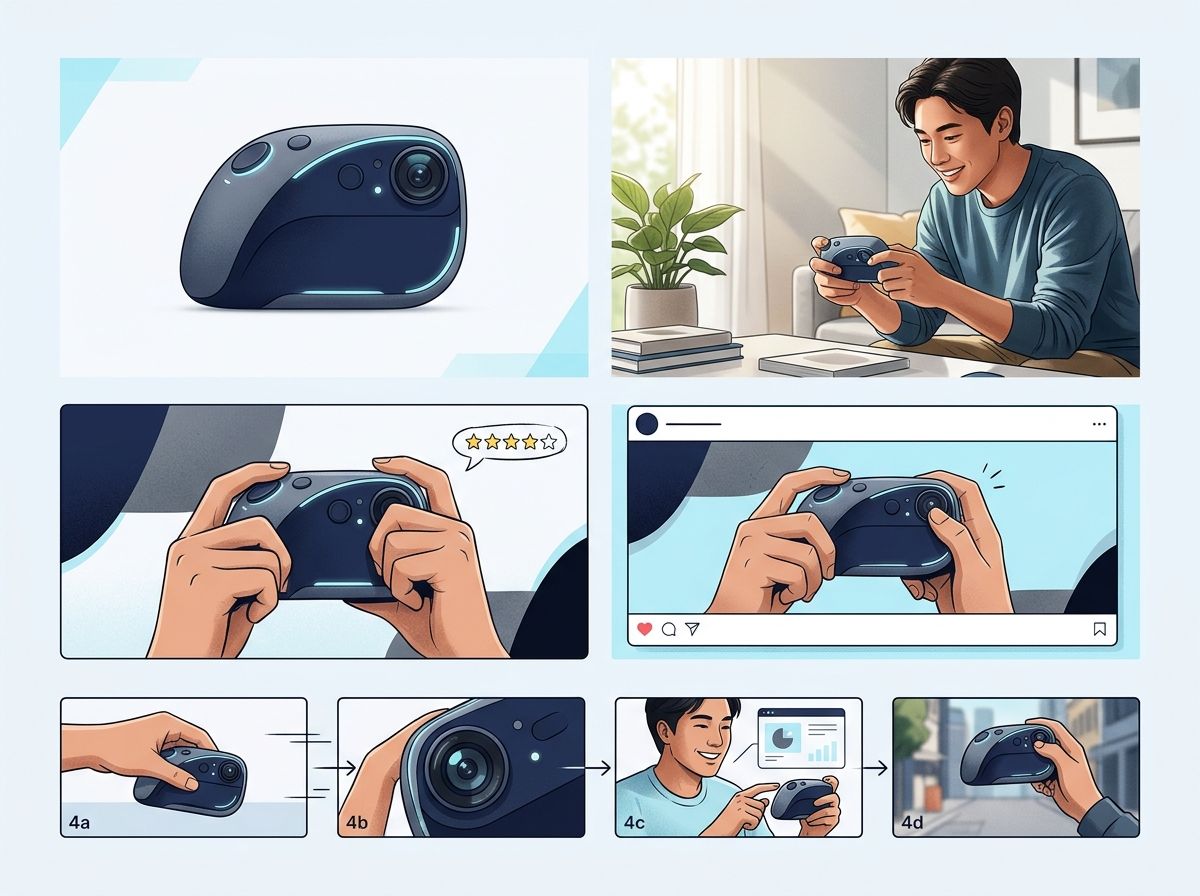
Not all creatives are created equal. Product-focused, lifestyle, UGC-style, and video have different conversion mechanics and fatigue rates.
Start here. White background, clean angles, multiple product shots. This is your testing foundation. Cost: $0.02–$2.00 per image with AI, versus $25–$170 for studio work.
This category also has the highest variance by price point. Products under $50 convert better with single-image ads (fast decision, clear product). Products over $100 need carousel ads to show multiple angles and build confidence.
Now place your product in context. On a desk, in a kitchen, on a person. Carousel ads mixing lifestyle and product shots achieve 30–42% higher CTR than product-only singles, especially for products over $100.
The mechanism: lifestyle photos show aspiration and use case. They answer the question "who am I if I own this?" faster than product specifications.
This is where the numbers get surprising. UGC-style creatives generate 4x higher CTR than traditional brand ads and 29% higher conversions.
73% of ecommerce brands now allocate at least 30% of their creative budget to UGC. The aesthetic is deliberately unpolished—low production value, customer voice, imperfect lighting. It feels authentic because it mimics real customer testimonials.
UGC works because it feels like peer recommendation, not corporate messaging.
You can test this format with AI-generated UGC mockups before investing in real creator talent. Generate 3–5 variations of the same product shot as a customer testimonial (fake customer, real product) to validate the hook. If CTR is 2x+ your studio ads, move budget to real UGC creators. If it underperforms, you saved weeks and thousands by testing the hypothesis first.
Video drives engagement on TikTok and Meta video placements. One product can generate five to ten video hook variations: demo, urgency, social proof, feature walkthrough, lifestyle integration, humor, price reveal.
TikTok's optimal format is 21–34 seconds. Meta video ads perform better at 15–60 seconds depending on placement. Generate different hooks, different lengths, different music pairing—then let automation (TikTok Smart+, Meta Advantage+) find the winner.
Upload one image and get studio-quality product photos, on-model shots, and ad creatives — no camera, no studio, no wait.
Try Seenable AI freeNo credit card required · 130 free credits included
 Before
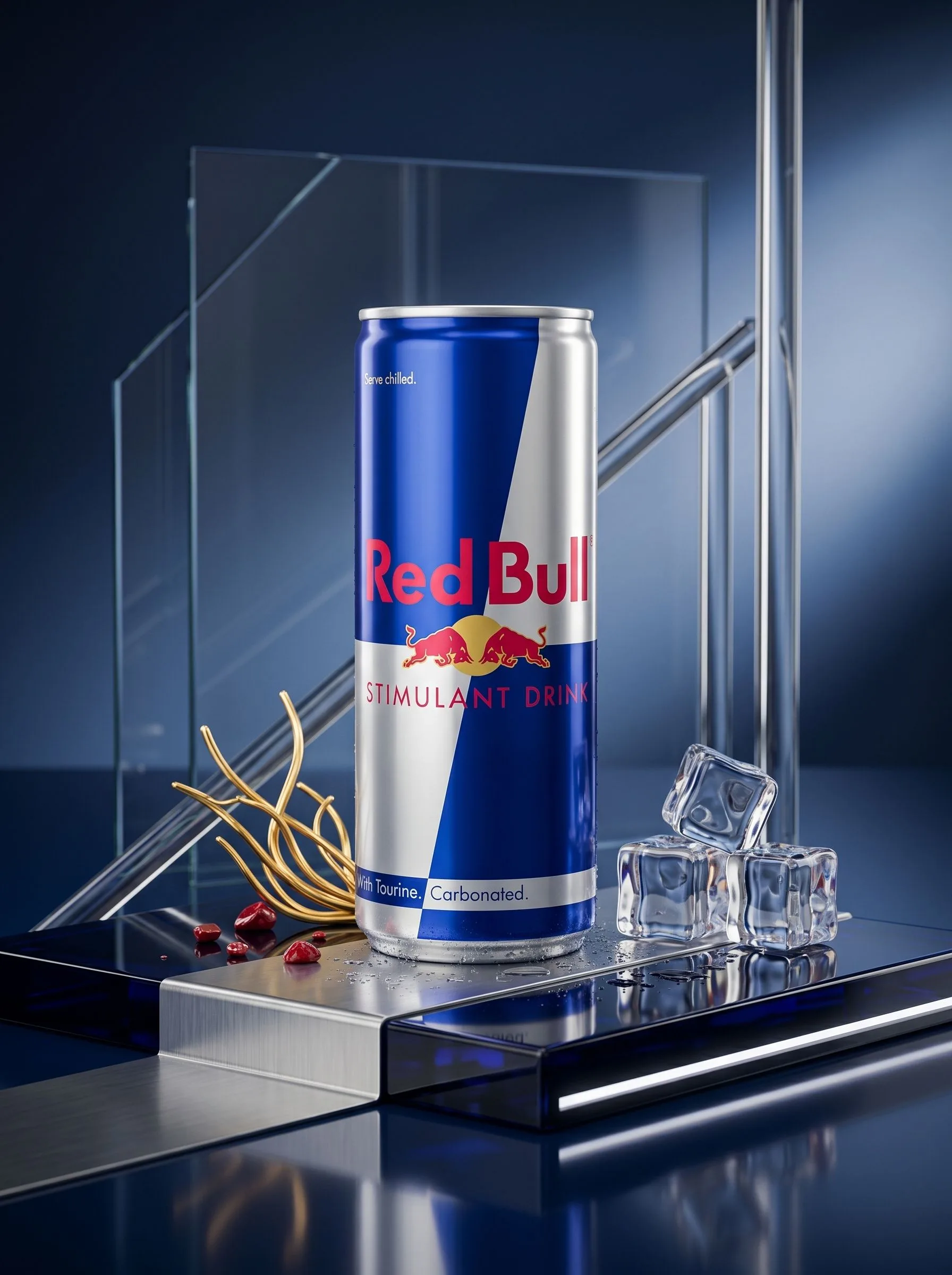 After
After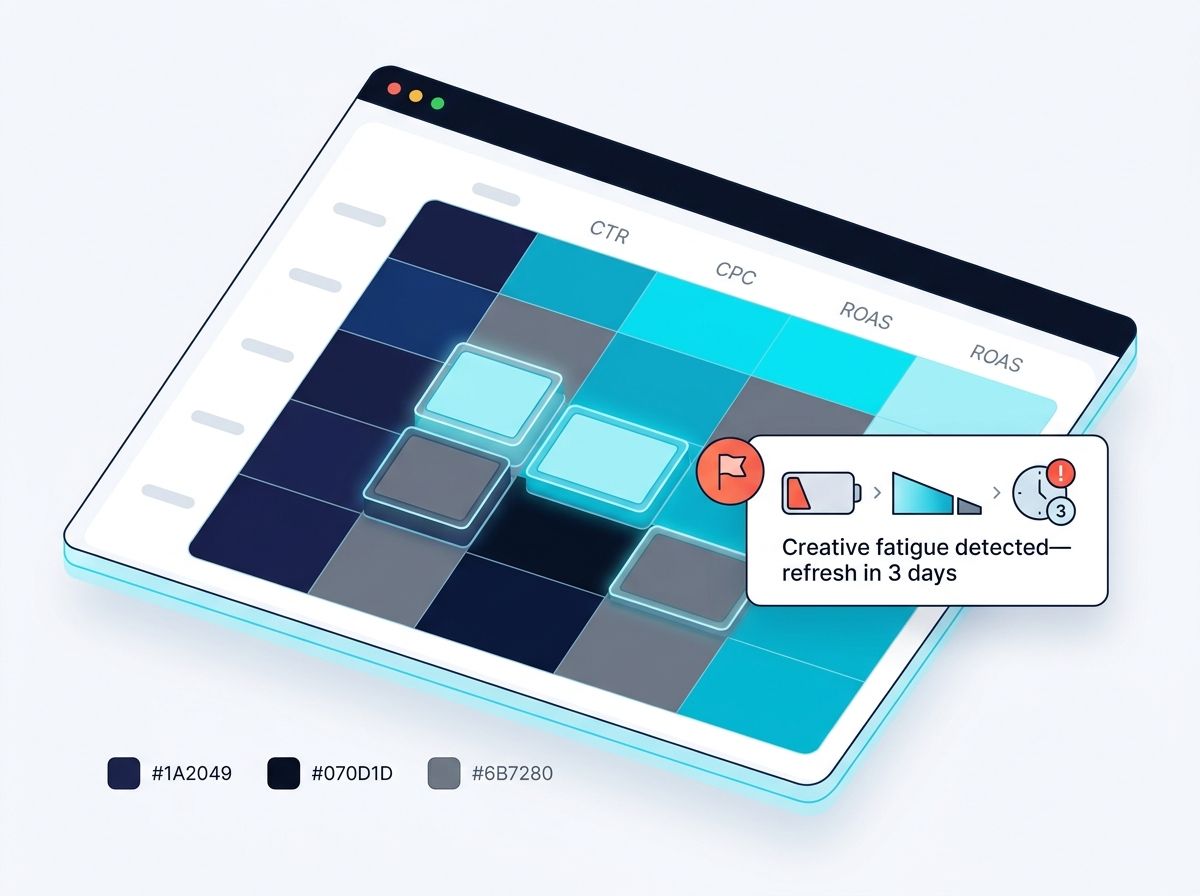
Producing 50 creatives is pointless if you don't test them systematically.
Brands using Meta's Advantage+ Catalog Ads (dynamic format that automatically rotates product images) see 38% lower CPAs than static single-image ads. But only if you feed the system 5+ image variations per product.
The algorithm learns which image + audience combinations work best. You can't learn anything from three images. You need volume.
Test one thing at a time:
This isolation shows you exactly which element drives results, not just "this ad worked." If CTR is 2x higher on UGC-style videos versus polished product videos, you know your customer base prefers authenticity. Now scale that insight across all future products.
CTR drop of 20–30% signals fatigue. Fashion hits this in 11 days; food in 9 days. Plan to rotate creatives every two to three weeks in high-competition categories. Lower-fatigue categories can stretch to four to six weeks.
The key is rhythm, not perfection. Brands with predictable refresh cycles outperform brands that wait until performance completely tanks because they're always testing, never static.
AI product photography tools (Seenable's Product Shoot, Ad Creative Designer, Styled Hero, and others) handle the bottleneck: one product image becomes 20+ variations in minutes. This eliminates the "waiting for the photographer" phase entirely.
Workflow: Upload product image → generate studio-quality variations with different backgrounds, angles, and mockups → export in platform-native formats (Meta square, TikTok vertical, carousel, video thumbnail) → import into Ads Manager.
Cost comparison: $0.02–$2.00 per AI image versus $25–$170 per traditional studio image. At 50 images per product, you save $1,250–$8,500 per SKU.
Set up a repeatable process:
Most teams skip the batch step and create one-off requests. Batching is what allows you to produce 22 creatives weekly instead of 8.
For a $5K/month ad budget, allocate 15–20% ($750–$1K) to creative production. This includes AI tool subscriptions, stock images, UGC licensing, or freelance design.
At $5K+ monthly spend, in-house design becomes impossible without automation. Most ecommerce teams underestimate this 20% allocation and wonder why they're stuck recycling underperforming creatives.
If AI-generated creatives reduce your production cost from $150 per image (freelancer) to $0.50 per image, and you produce 20 new creatives monthly, you save $2,990/month.
If that creative volume increases test velocity and helps you identify two to three winners that perform 15% better, the ROI is 10–15x the production cost. That's not efficiency—that's leverage.
Upload one image and get studio-quality product photos, on-model shots, and ad creatives — no camera, no studio, no wait.
Try Seenable AI freeNo credit card required · 130 free credits included
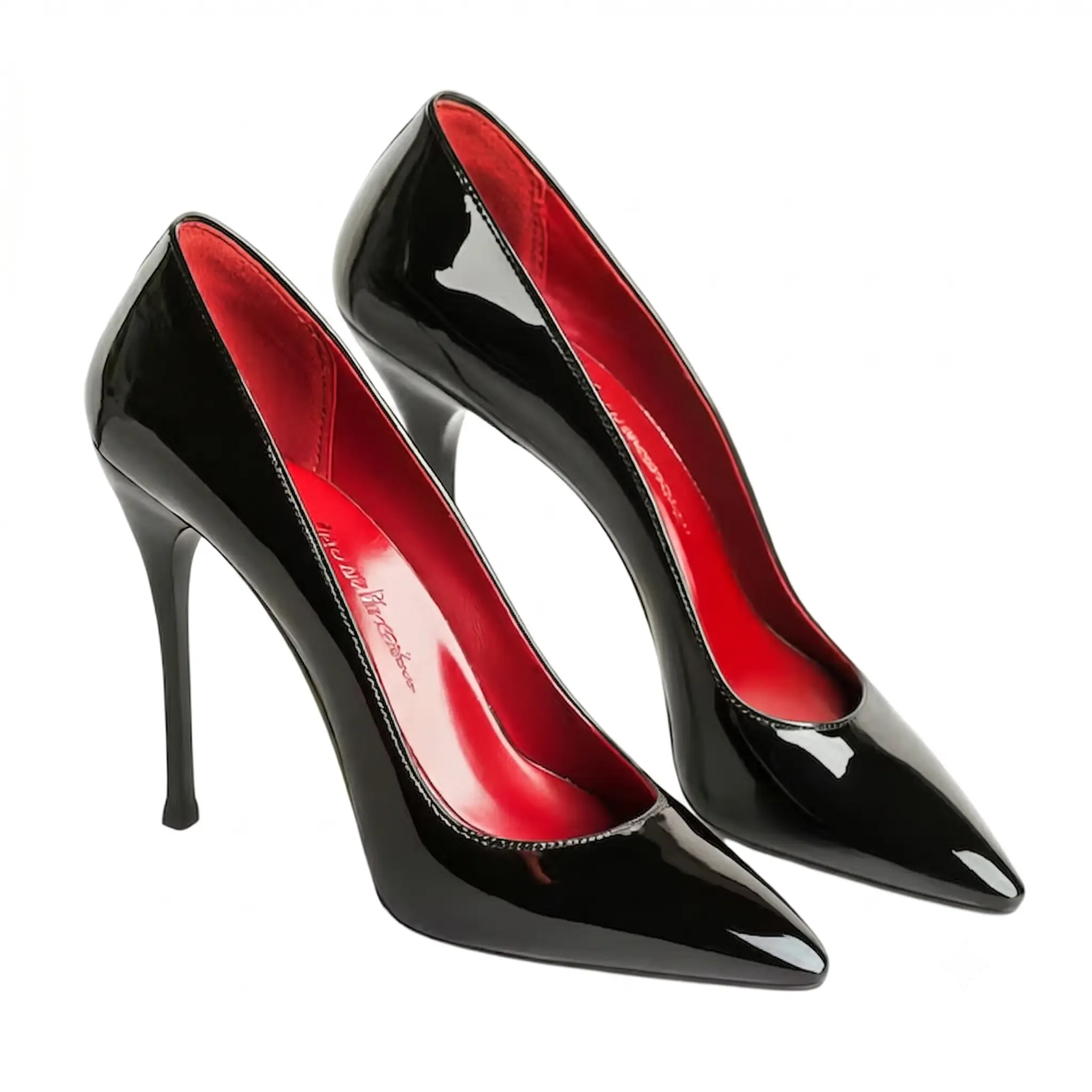 Before
 After
AfterTest at least 10 different creative concepts per month. Brands testing 10+ creatives see 31% lower CPA compared to those testing fewer than 5. Top performers produce 22+ unique creatives weekly by automating the production workflow, not by hiring more designers. Start with 10 if you're new to testing; scale to 20+ as you optimize your feedback loop.
AI product images cost $0.02–$2.00 per image versus $25–$170 for studio work—an 80–95% cost reduction. Both work; the difference is volume and speed. AI wins when you need dozens of variations fast; studio wins when you need one perfect hero shot. Most winning ecommerce brands use both: AI for rapid testing and iteration, studio photography for hero images and lifestyle content that becomes your brand assets.
Monitor CTR weekly. When CTR drops 20–30% from your baseline, refresh your creatives. Fashion ads lose effectiveness in 11 days; food and beverage in 9 days. Plan to rotate creatives every two to three weeks in high-competition categories, or every four to six weeks in lower-fatigue categories. Don't wait for performance to tank—rotate preemptively.
UGC-style ads (customer testimonials, unpolished) generate 4x higher CTR than polished brand ads and 29% higher conversions. AI can generate UGC mockups to test the format before sourcing real creators. 73% of ecommerce brands now allocate 30%+ of creative budget to UGC. Test both: AI mockups first to validate the hook, then scale with real UGC creators once you've proven the concept.
Allocate 15–20% of your ad budget to creative production (tools, stock, freelancers, or AI). At $5K+ monthly ad spend, this becomes $750–$1K per month. Without this investment, you'll either recycle underperforming creatives or create fewer variations, both of which lower your overall ROAS. Think of it as the cost of keeping your creative competitive.
Yes. One product image can generate five to ten product variations (angles, backgrounds, color variants), three to five lifestyle placements, three to five UGC-style mockups, five to ten video hook variations, and multiple format exports (carousel, single-image, video thumbnail). The workflow is: product image → AI variations → format-specific exports. Most teams don't operationalize this pipeline, so they never realize the potential.
You don't need bigger creative talent or a longer production timeline. You need a system that turns one asset into dozens.
Start with one product. Use the four-stage framework to research, brief, generate, and rotate. Track CTR weekly. Measure which creative elements drive your CPA down. Then repeat.
Generate your first 20 product ad creatives free—no credit card required. See exactly how one product image becomes a full testing arsenal, then decide if you want to scale it across your catalog.
Generate your first 20 product ad creatives free—no credit card required
Try Seenable AI free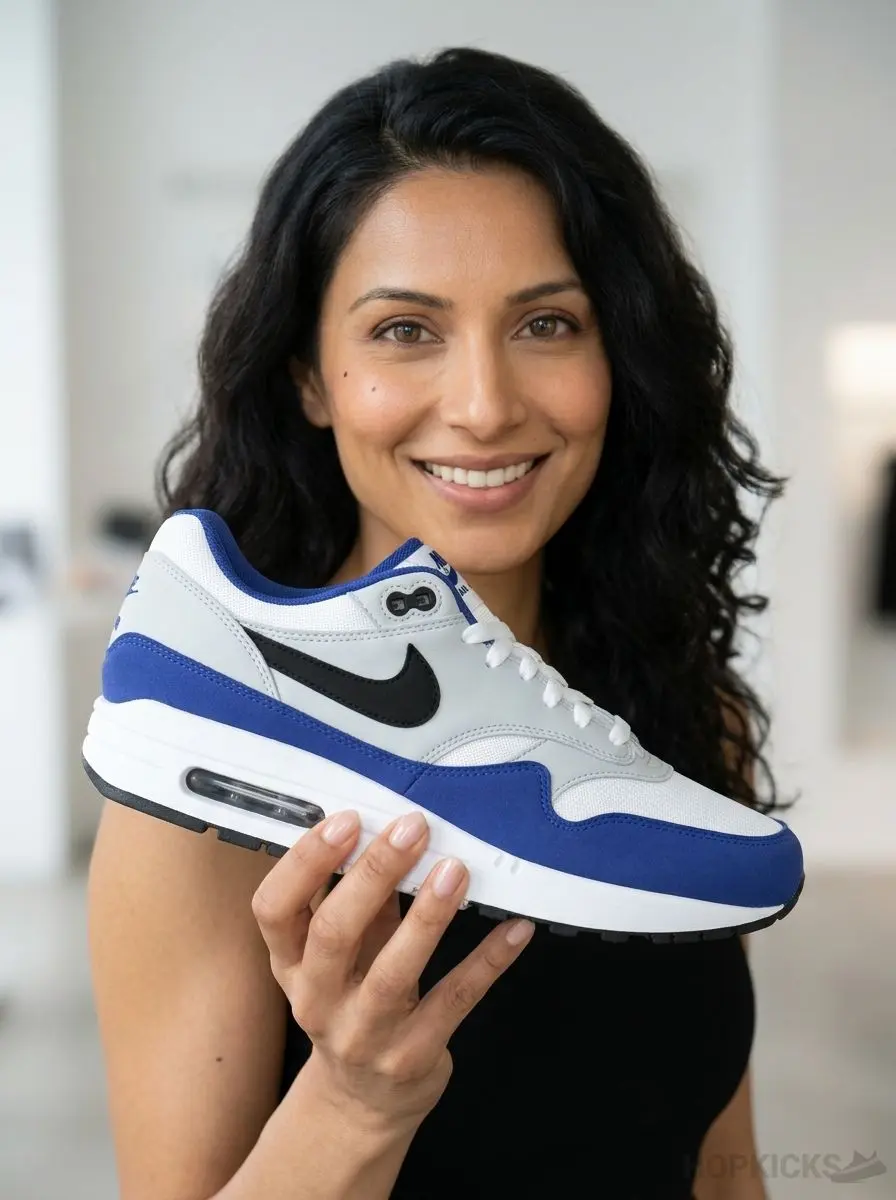 After
After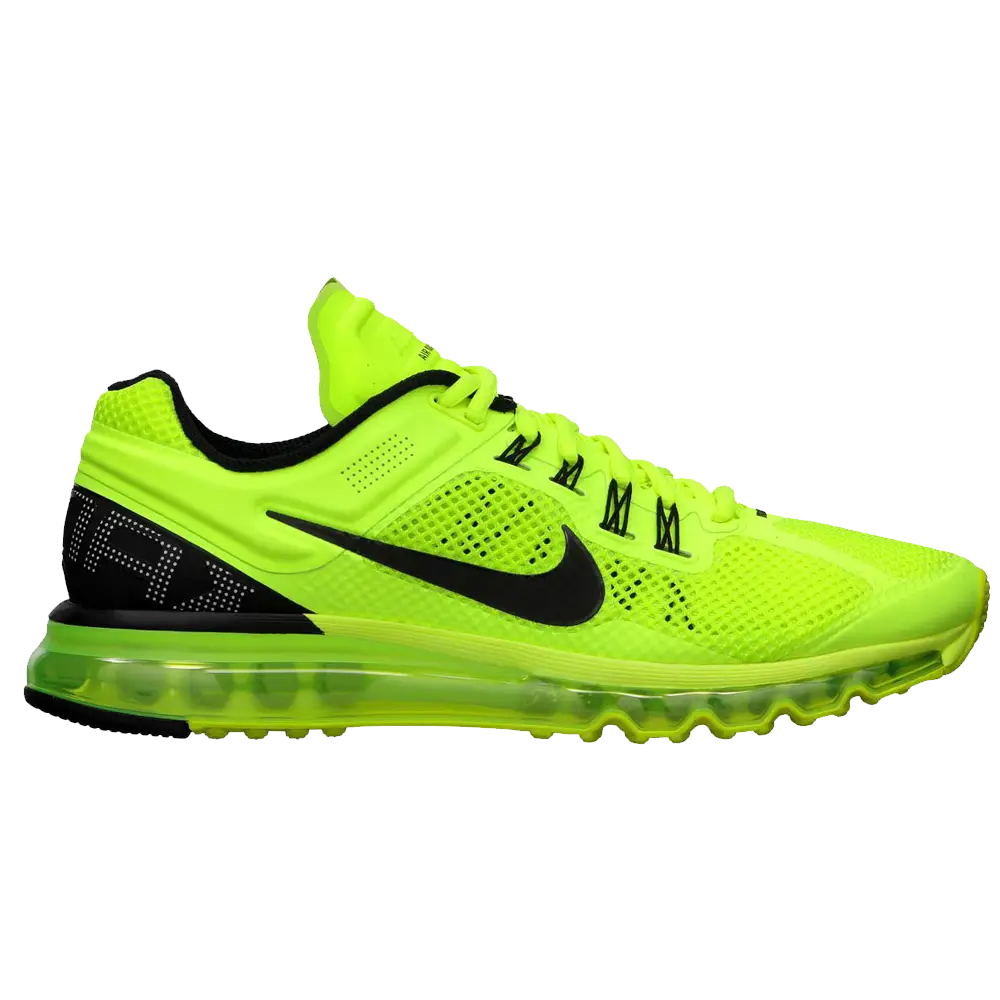
 After
After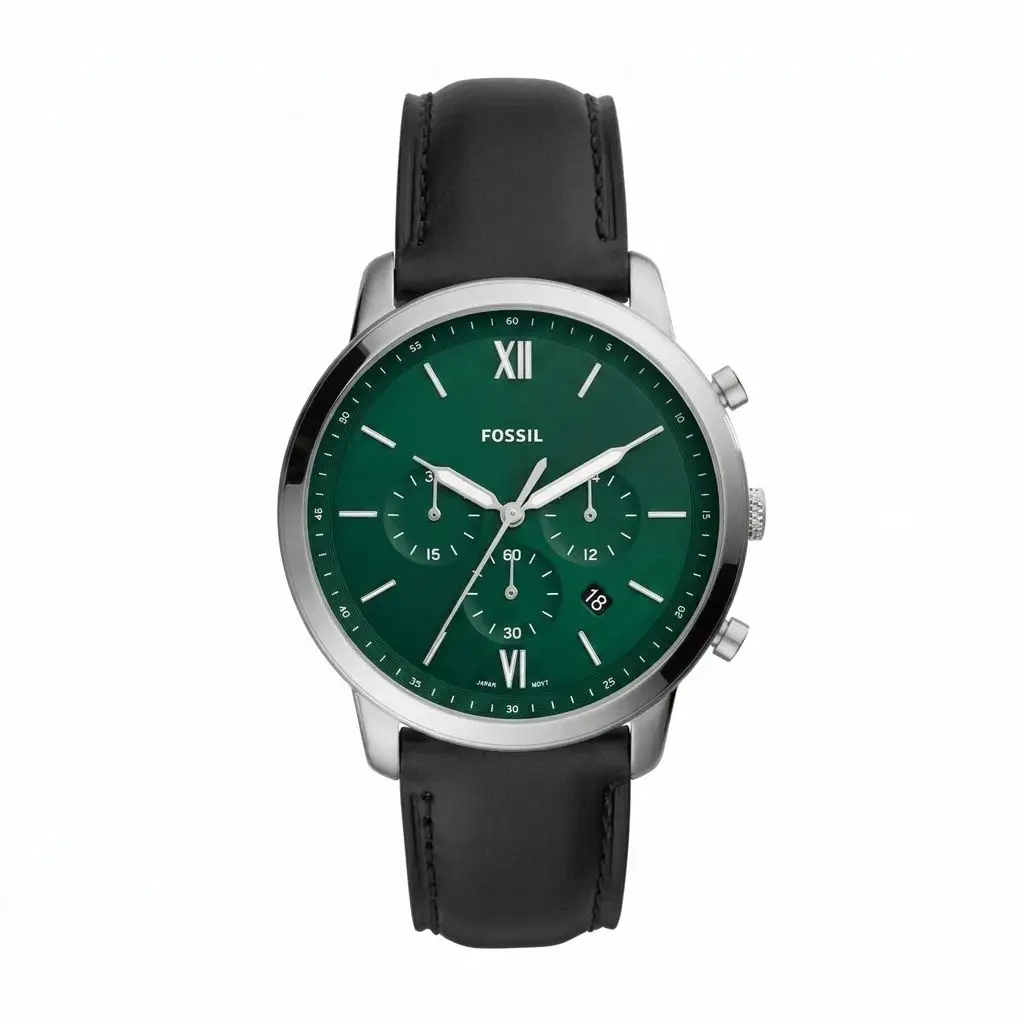
 After
After