AI Product Photography: Generate Studio-Quality Images in 20 Minutes
Discover how AI product photography cuts shoot costs from $500 to minutes and boosts conversions by 20-30%. Professional images, zero studio setup required.
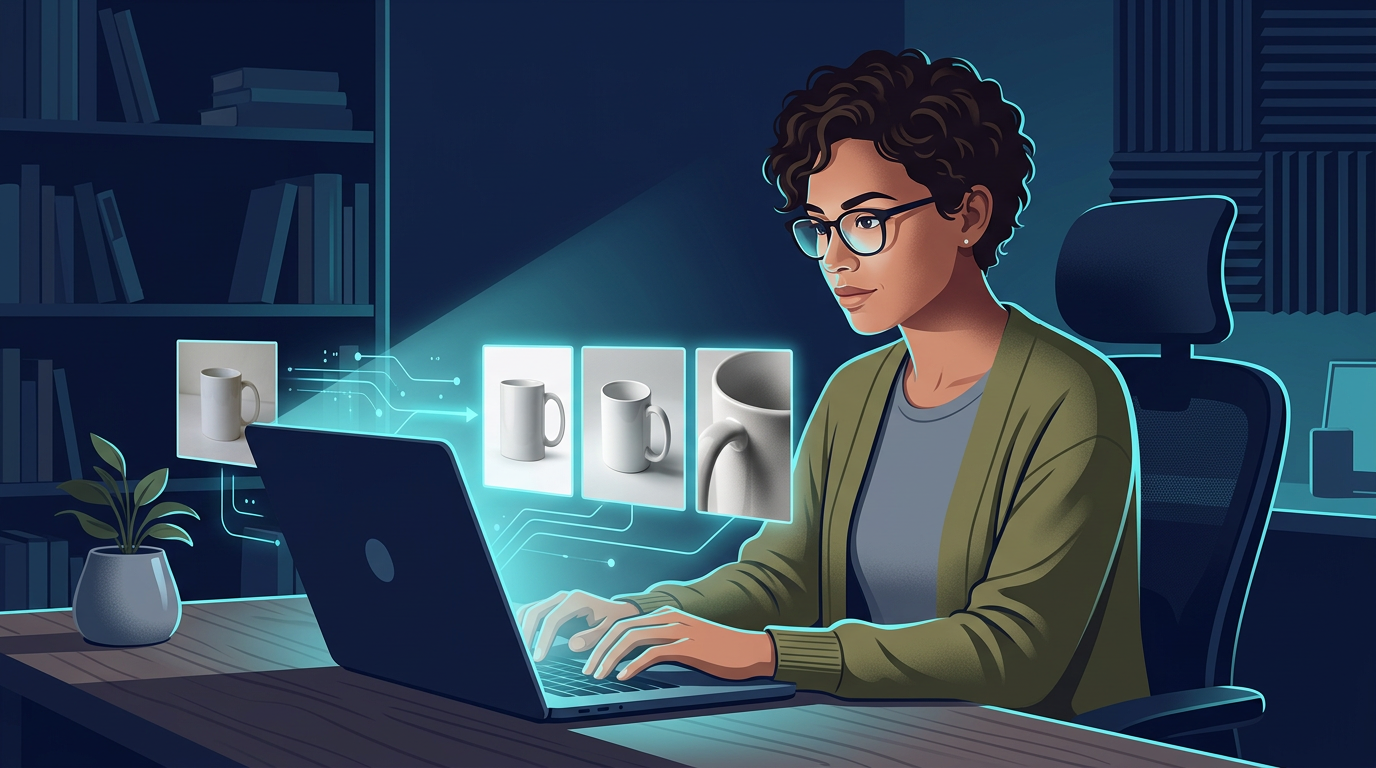
AI product photography tools now let e-commerce sellers generate studio-quality images in under 20 minutes — no photographer, no studio rental, no 3-day turnaround. Brands using professional product imagery consistently report conversion rate lifts of 20–30% compared to DIY or inconsistent shots. If your catalog still relies on expensive shoots or low-quality images, you're leaving measurable revenue on the table.
Your competitors are not waiting on a photographer to call back. They're generating full content sets — hero shots, lifestyle scenes, ad variants, white-background catalog images — while you're still booking a studio date. That gap is widening fast, and it's showing up directly in conversion rates.
The Old Way Is Costing You More Than You Think

The hidden costs of traditional product photography
A single product shoot runs $200 to $500 per product. For a catalog of 20 SKUs, that's a $4,000 to $10,000 annual expense before you factor in editing, retouching, and reshoots for rejected images. Scale that to 50 or 100 SKUs and you're looking at a five-figure photography bill that repeats every time you refresh creative or launch a new colorway.
That number alone is brutal. The hidden number is worse.
Inconsistent lighting, mismatched backgrounds, and varying angles across product lines directly erode buyer confidence. Shoppers are 22% more likely to return items that look different in person from what they saw online. Returns cost sellers an average of $10 to $20 per unit in processing fees alone. Bad imagery doesn't just fail to convert — it actively creates losses downstream.
Solo sellers and small teams absorb the full weight of this problem. They compete on the same digital shelf as brands with dedicated in-house creative studios, and a buyer scrolling through search results doesn't care about your budget.
Why slow workflows kill catalog momentum
Agency turnaround on a standard shoot cycle averages 3 to 5 business days. That's before revisions, file delivery, and any additional edits for platform specifications. A new product launch that should take a week often stretches to three.
In fast-moving e-commerce categories like apparel, seasonal home goods, or trending accessories, that delay is a direct revenue loss. The product is live, the demand exists, and buyers are converting on competitor listings while yours is sitting in an editing queue.
Speed is not a luxury feature. It's a competitive variable.
How AI Product Photography Actually Works in 2025

From one product input to a full content set
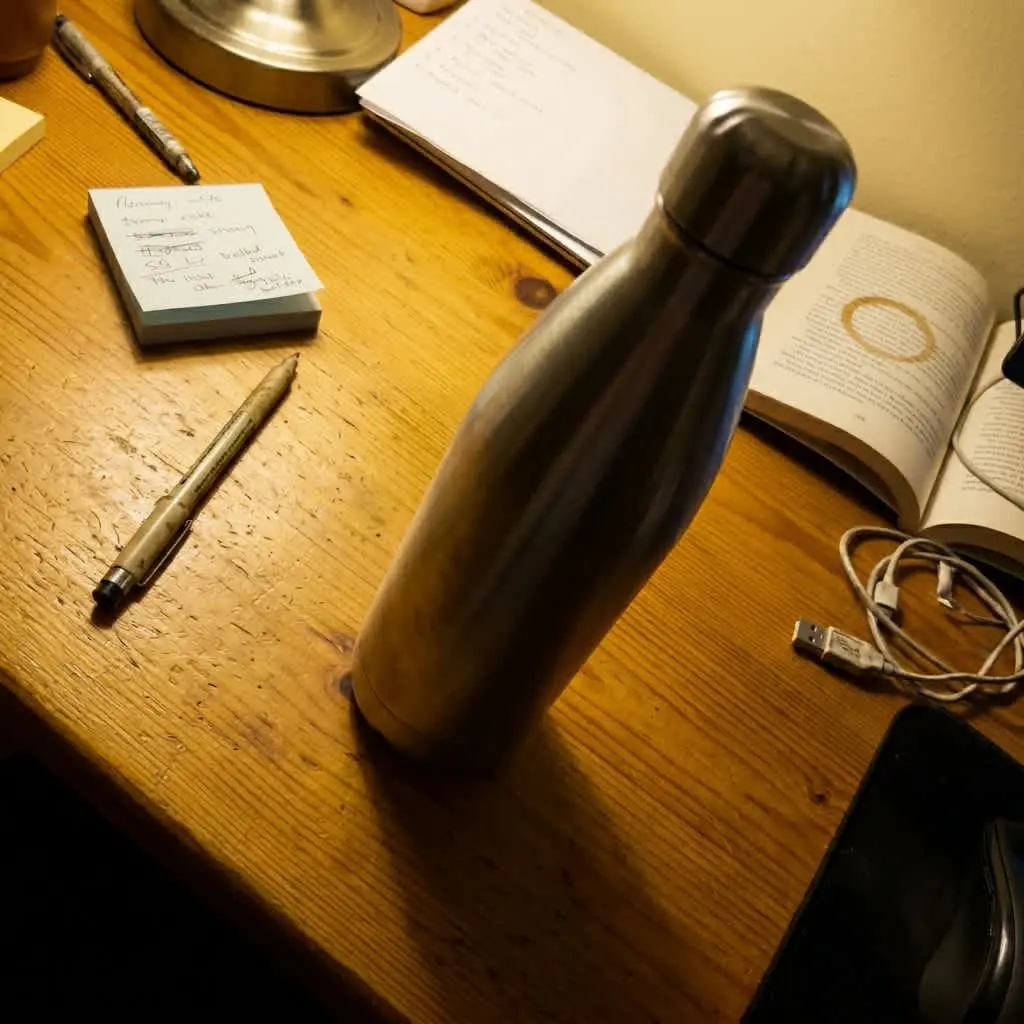
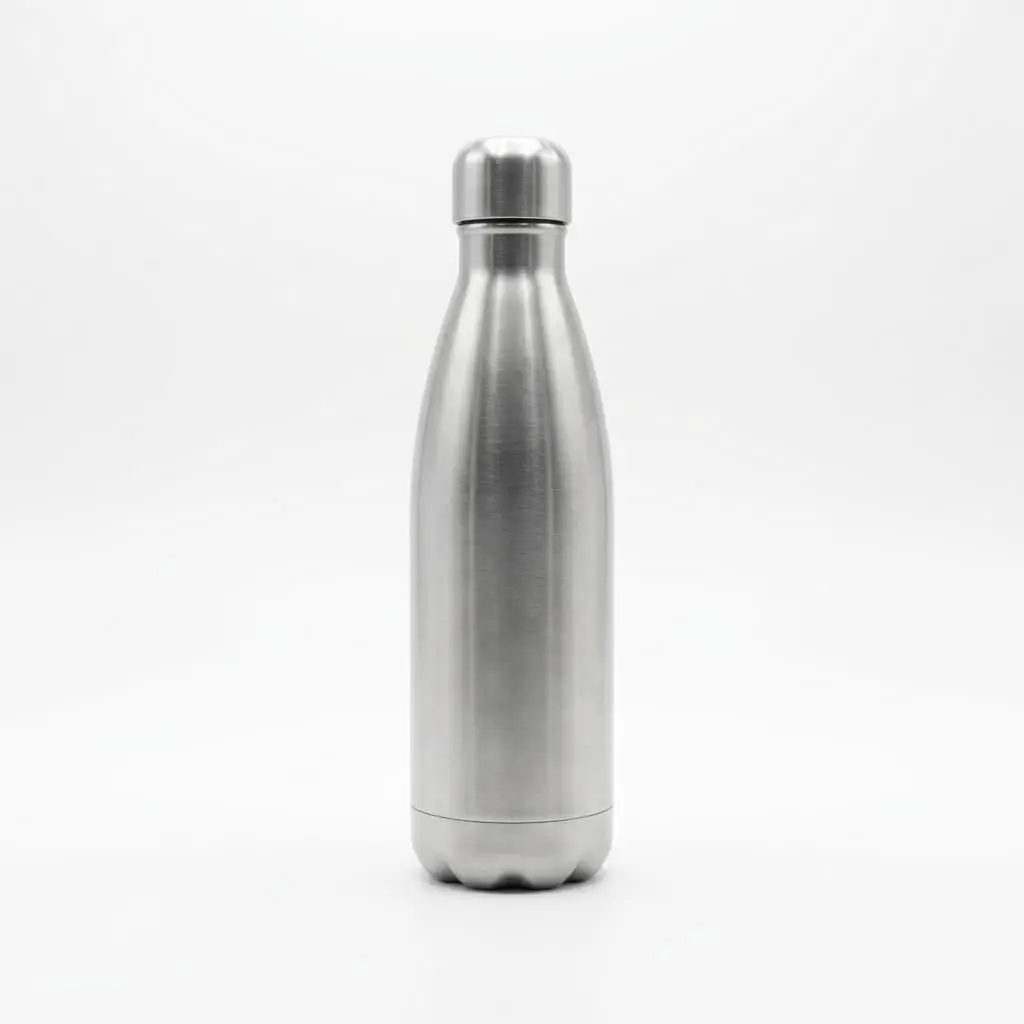
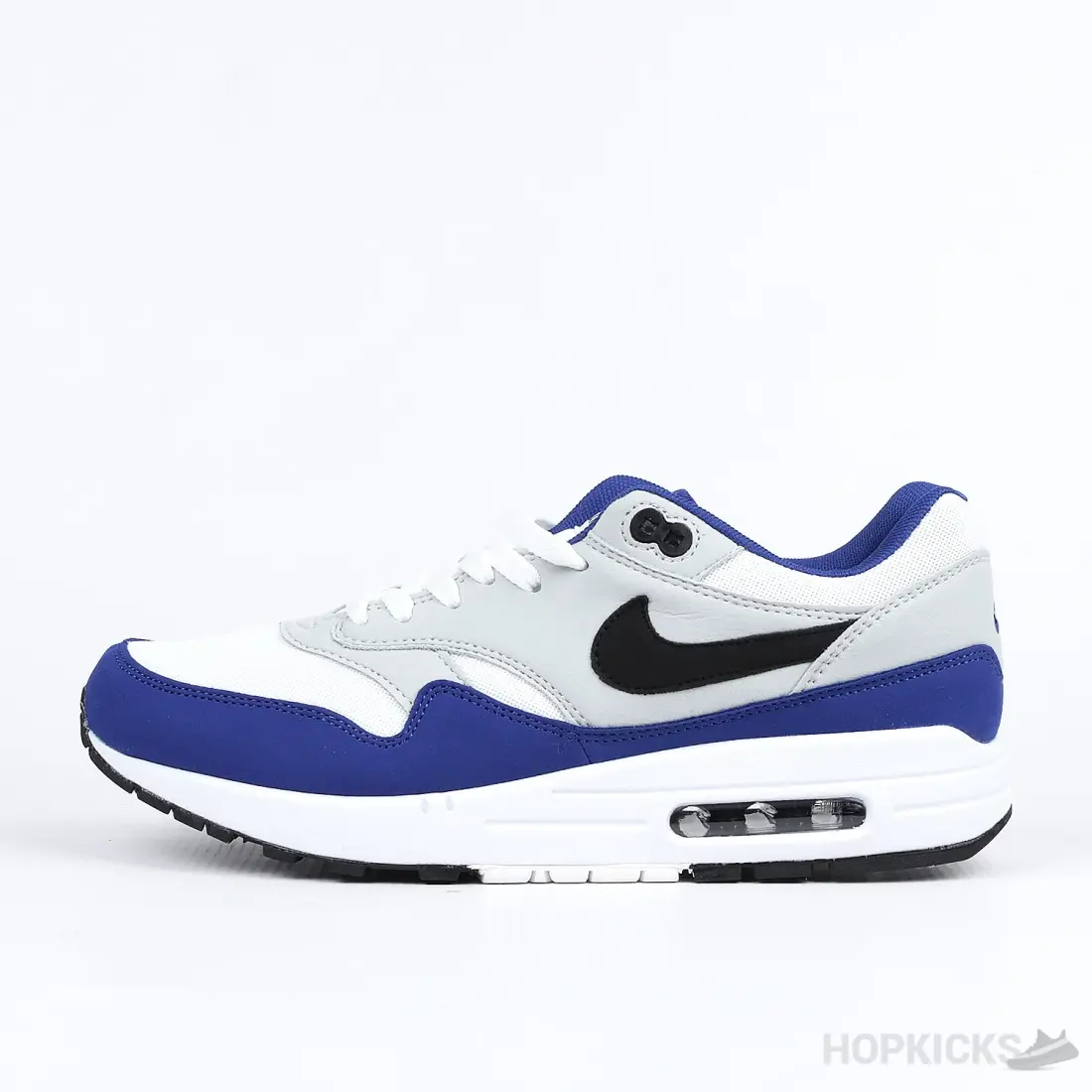
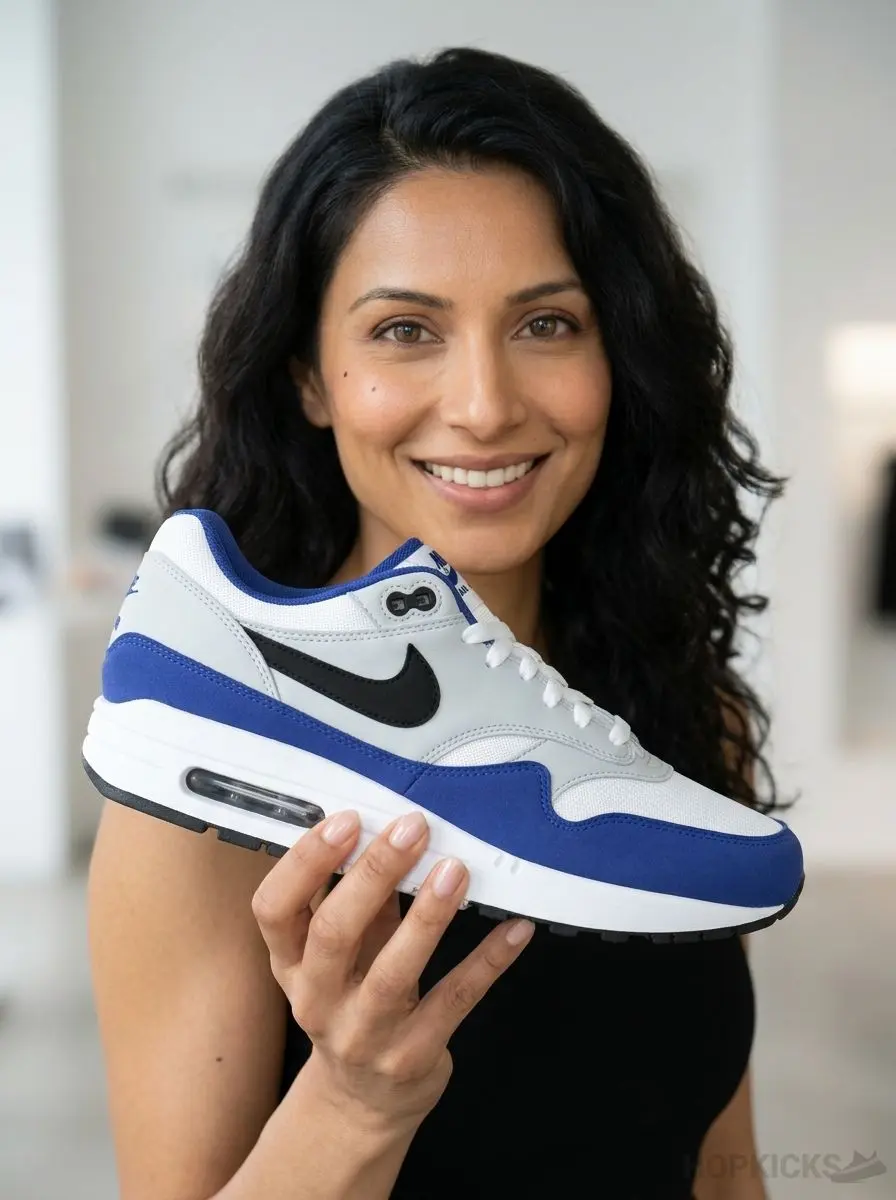
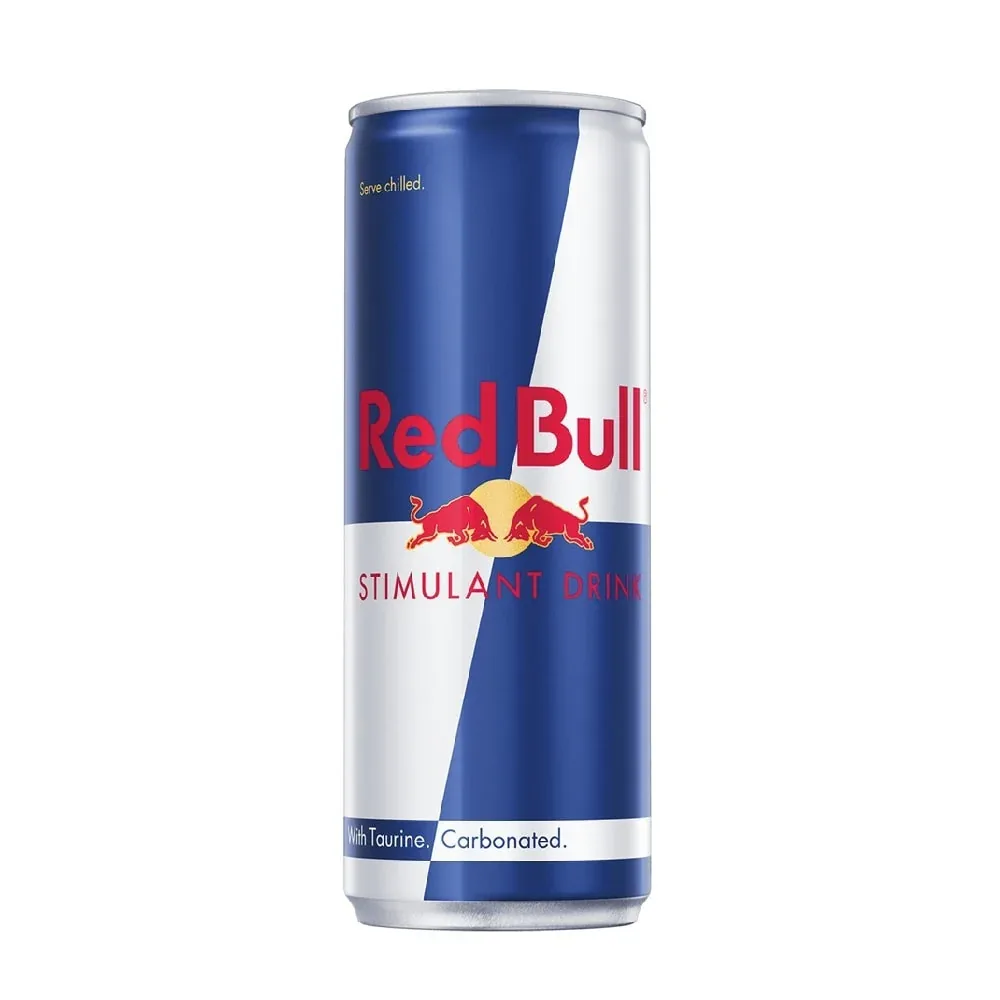
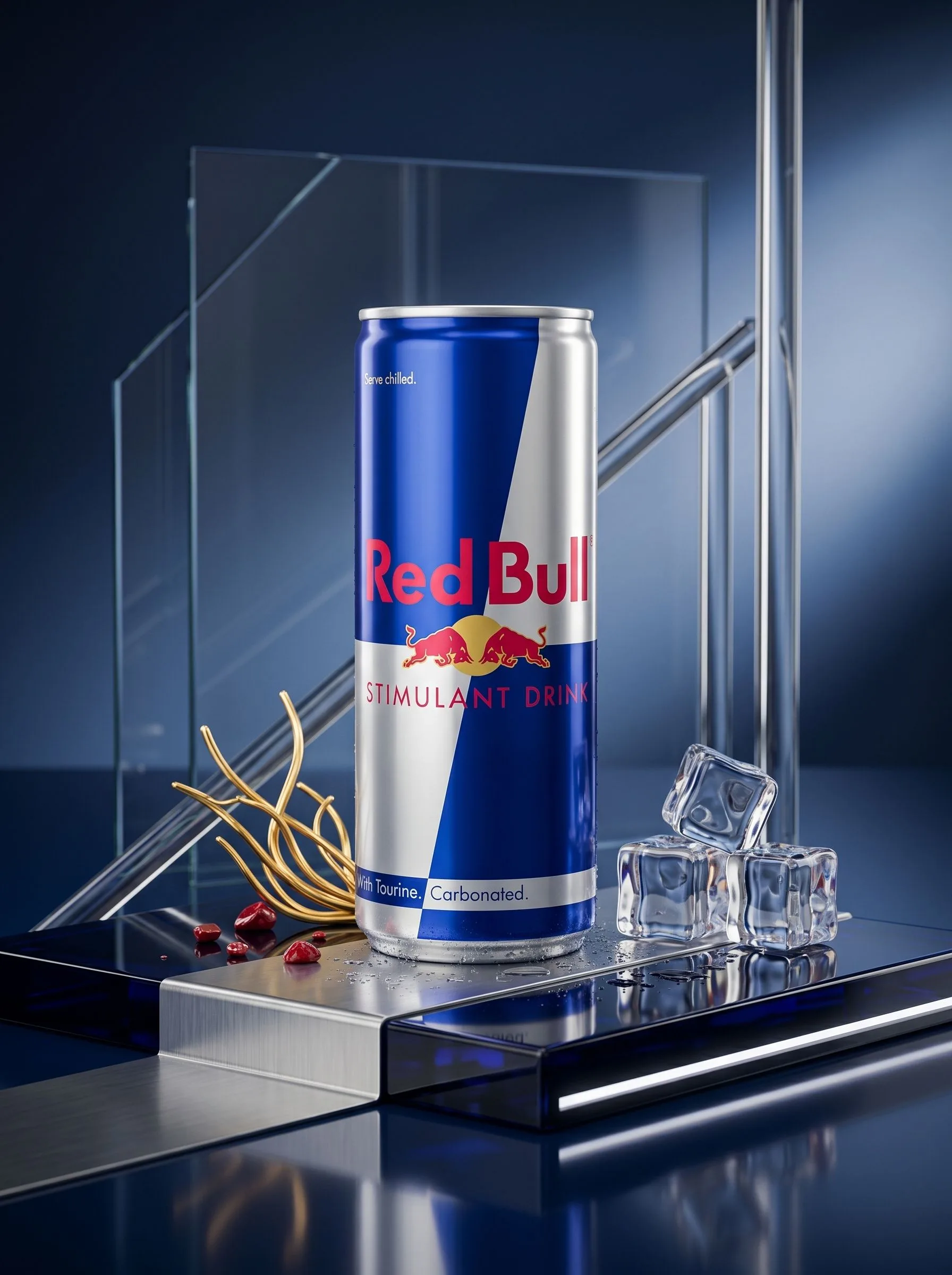
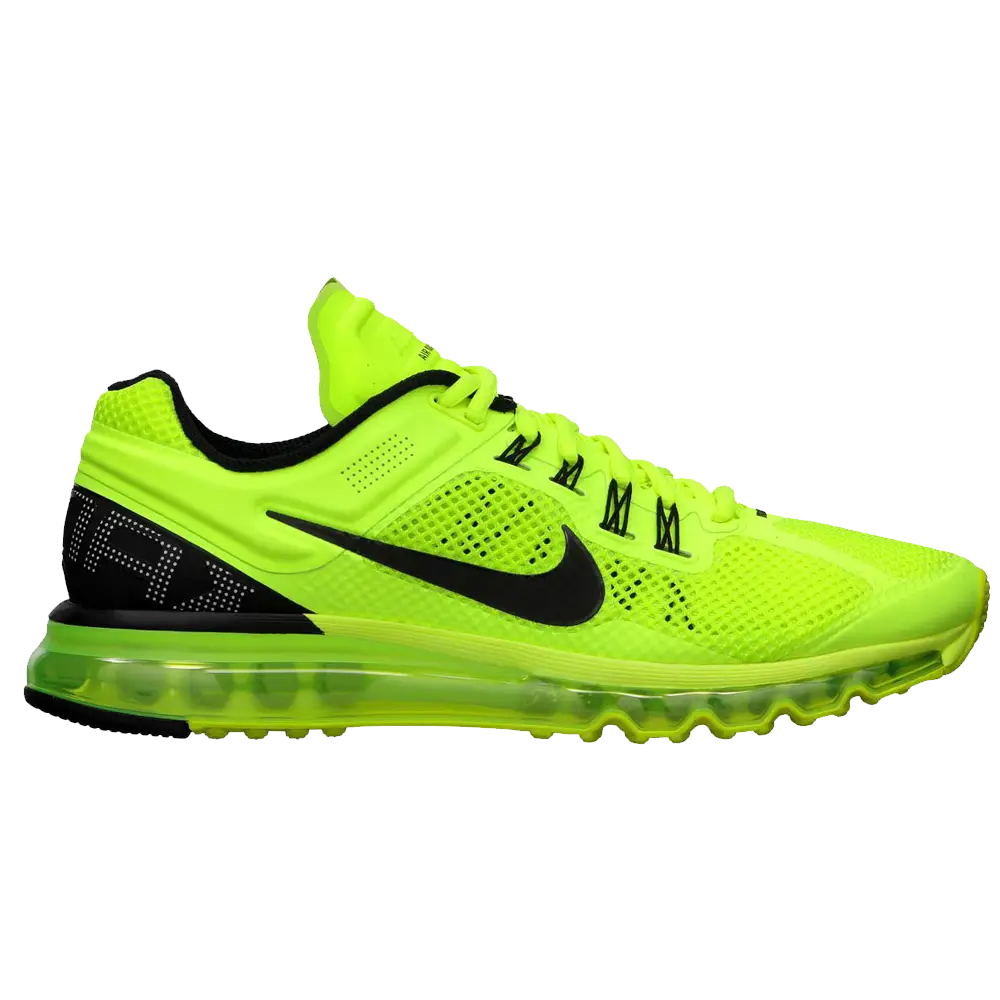
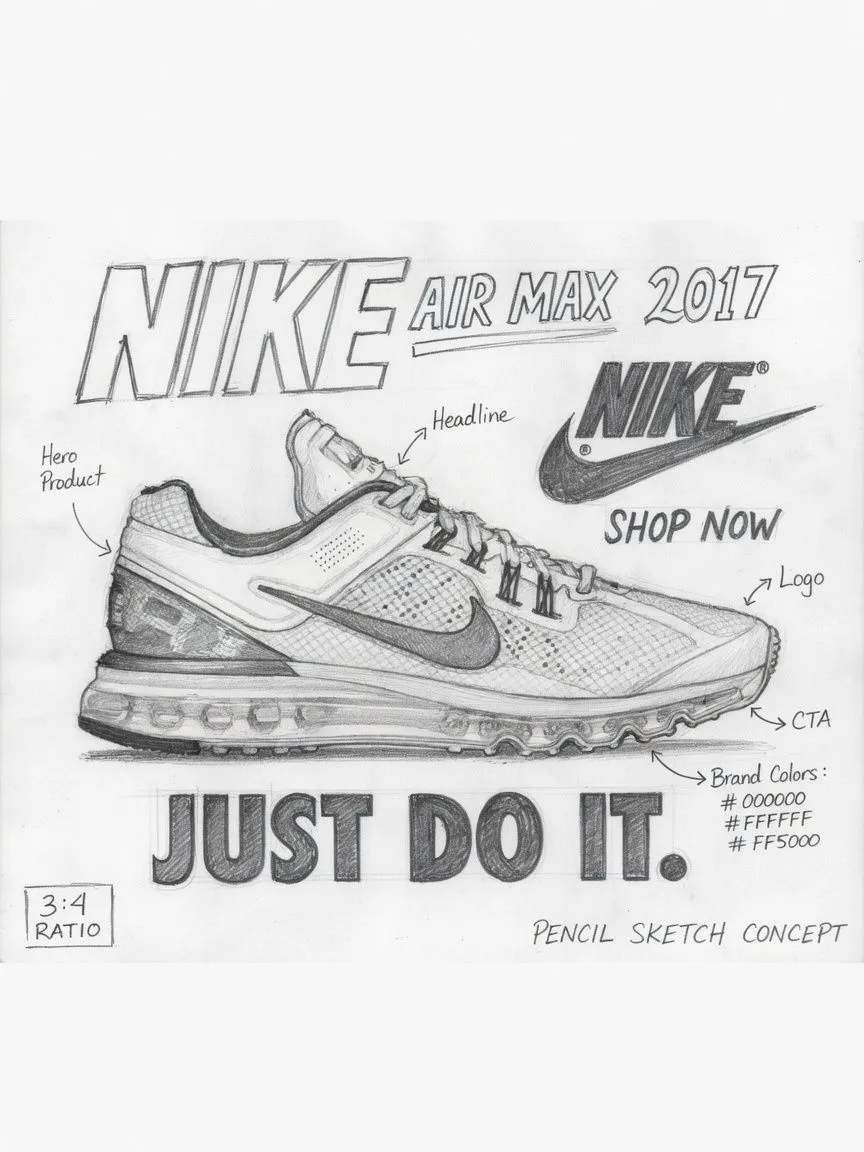
The core mechanic is straightforward: upload a single product photo, and a modern AI tool generates a complete image set from it. Multi-angle shots, white-background catalog images, lifestyle scenes showing the product in realistic settings, and multiple ad format variants — all from one input, in one workflow.
Seenable's Product Shoot Generator operates exactly this way. One product becomes a full content set optimized for Amazon, Shopify, Instagram, and paid social without a single additional photo session.
On-model studio features have eliminated one of the most expensive line items in apparel and accessories photography. AI places products onto realistic human figures with brand-consistent styling. No model booking fees. No fitting coordination. No full-day shoot for three jacket colorways.
Color variant generation is equally significant. A seller launching a product in four new colors can produce marketplace-ready imagery for all four without a reshoot. Time-to-market compresses from days to minutes.
Key AI capabilities reshaping the catalog pipeline
AI shadow generation and background removal have matured to the point where the outputs meet major marketplace technical standards. Amazon main image requirements — pure white background, correct aspect ratio, sufficient product coverage — are achievable with current AI tooling.
The tools doing the most work for catalog-scale operations are the ones that combine multiple functions in sequence: background removal into a white-background catalog image, lifestyle scene generation for ad creative, and upscaling for high-resolution export. That's an entire traditional post-production workflow collapsed into a single automated step.
Image format conversion and compression round out the pipeline. Platform-ready files in 1:1, 4:5, and 16:9 aspect ratios, sized correctly for each destination, without manual resizing.
The Direct Sales Impact of Professional Product Imagery

Conversion rate data you can't ignore
Seventy-five percent of online shoppers cite product images as the primary factor in their purchase decision, according to buyer research from Shopify and Etsy. Not price. Not reviews. Images.
E-commerce brands that upgraded to consistent, professional product imagery have reported conversion rate improvements averaging 20 to 30% within the first 30 days of relaunching their catalog. One Seenable customer reported a 23% conversion rate jump within a month of switching from inconsistent DIY photos to AI-generated professional imagery.
Paid social performance shifts are equally measurable. Click-through rates on ads using AI-generated lifestyle imagery have outperformed static white-background shots by 2 to 3x in A/B tests across Meta and TikTok ad platforms. That's not a marginal improvement — it's the difference between a profitable ad and a money-losing one at the same CPM.
Why visual consistency builds trust and reduces returns
A buyer scrolling through your catalog is reading visual signals constantly. Mismatched lighting between Product A and Product B. A lifestyle photo on one listing, a plain white shot on the next. These inconsistencies don't just look unprofessional — they create doubt.
Visual consistency signals that a brand is established, reliable, and worth trusting with a credit card number. Same lighting treatment, same background approach, same tonal aesthetic across every listing. That coherence drives repeat purchase intent and builds brand recognition in a way that no individual image can accomplish alone.
Reducing inconsistency between online imagery and physical product appearance also directly reduces return rates. Accurate, well-lit product photography gives buyers realistic expectations. Lower return rates mean higher net margins. The ROI on professional imagery compounds.
Building an Efficient AI-Powered Catalog Pipeline

A step-by-step modern catalog workflow
The modern AI catalog pipeline follows four steps. Upload a raw product image. Select scene and style presets that match your brand guidelines. Generate a full image set: hero shot, white-background catalog image, lifestyle scene, and ad variants. Export in platform-ready formats.
That's the entire workflow. No creative brief. No back-and-forth with an agency. No waiting.
Teams using Seenable's Catalog Set and Styled Hero tools report replacing a 3-day external agency shoot cycle with a 20-minute internal process. The output meets quality standards for marketplace listings and paid ad use cases without any reduction in professional appearance.
Scaling from 10 SKUs to 200 without adding headcount
The operational advantage compounds as catalog size grows. A seller managing 10 SKUs can run the full pipeline manually and still see dramatic time savings. At 100 SKUs, the efficiency gap between AI-powered and traditional photography becomes existential.
Catalog Set and Styled Hero tools let brand managers lock in visual guidelines once and apply them automatically across every new product. No per-product creative briefs. No ramp-up time when a new team member joins. The visual standard is baked into the preset.
Small teams managing 50 to 200 SKUs can maintain the visual consistency of a luxury brand without a dedicated photographer or creative director. That's not a marginal operational improvement — it's a structural competitive advantage.
What to Look for in an AI Product Photography Tool
Must-have features for e-commerce sellers
White-background removal, AI shadow generation, and image upscaling are non-negotiable baseline features. Any tool missing these cannot meet Amazon, Walmart, or Google Shopping technical requirements for main listing images. Start here before evaluating anything else.
On-model studio and lifestyle scene generation are the highest-ROI features for apparel, accessories, and home goods categories. Context sells products. A jacket on a model in a credible urban setting converts differently than the same jacket floating on white.
Evaluating quality, speed, and platform compatibility
Multi-format export — 1:1 for marketplace listings, 4:5 for Instagram, 16:9 for display ads — in one click is the difference between a tool that fits into your workflow and one that creates new manual steps. The time saved in generation should not be spent on file conversion.
Freemium entry with no credit card required lets sellers test image quality against their specific product type before committing. Product categories vary significantly in how AI handles materials, textures, and color accuracy. Validate on your actual inventory before making a workflow decision.
Frequently Asked Questions
Is AI product photography good enough for Amazon and major marketplaces?
Yes. Modern AI tools generate white-background images that meet Amazon's technical requirements for main listing images, including correct aspect ratio, pure white backgrounds, and sufficient product coverage. Always verify outputs against each platform's current image guidelines before publishing, as requirements occasionally update.
How much does AI product photography cost compared to hiring a photographer?
Traditional product photography runs $200 to $500 per product. Seenable operates on a freemium model where sellers can generate professional images at a fraction of that cost, often processing an entire catalog for less than the price of a single traditional shoot.
Can AI generate lifestyle images or only white-background catalog shots?
Modern AI product photography tools generate both. White-background catalog images and contextual lifestyle scenes showing products in realistic settings are both standard outputs. This is particularly valuable for home goods, apparel, and beauty categories where lifestyle context directly drives conversion.
How long does it take to generate a full product image set with AI?
A full content set including multiple angles, lifestyle scenes, and ad variants can be generated in under 20 minutes per product. A traditional agency shoot cycle averages 3 to 5 business days for the same output.
Will AI product photos look different from professionally shot images?
AI-generated images are optimized for digital marketplace and ad performance and meet professional quality standards for e-commerce use. They are purpose-built for conversion-driving catalog and ad contexts, not high-end print or editorial applications.
Do I need design experience to use AI product photography tools?
No. Seenable is built for non-designers. Upload a product image, select a preset, and export a complete image set. No graphic design background, no photography knowledge, no editing software required.
Generate your first professional product image set free at Seenable, no credit card required. Upload one product photo, select your scene, and see what a full content set looks like for your catalog before you spend another dollar on a traditional shoot.
Generate your first professional product image set free — no credit card required
Try Seenable free